The best brush cutter line
The right line makes grass cutting cleaner, faster and cheaper. Here are the trimmer lines we rate — from aggressive square profiles to great-value big spools — and how to pick the thickness.
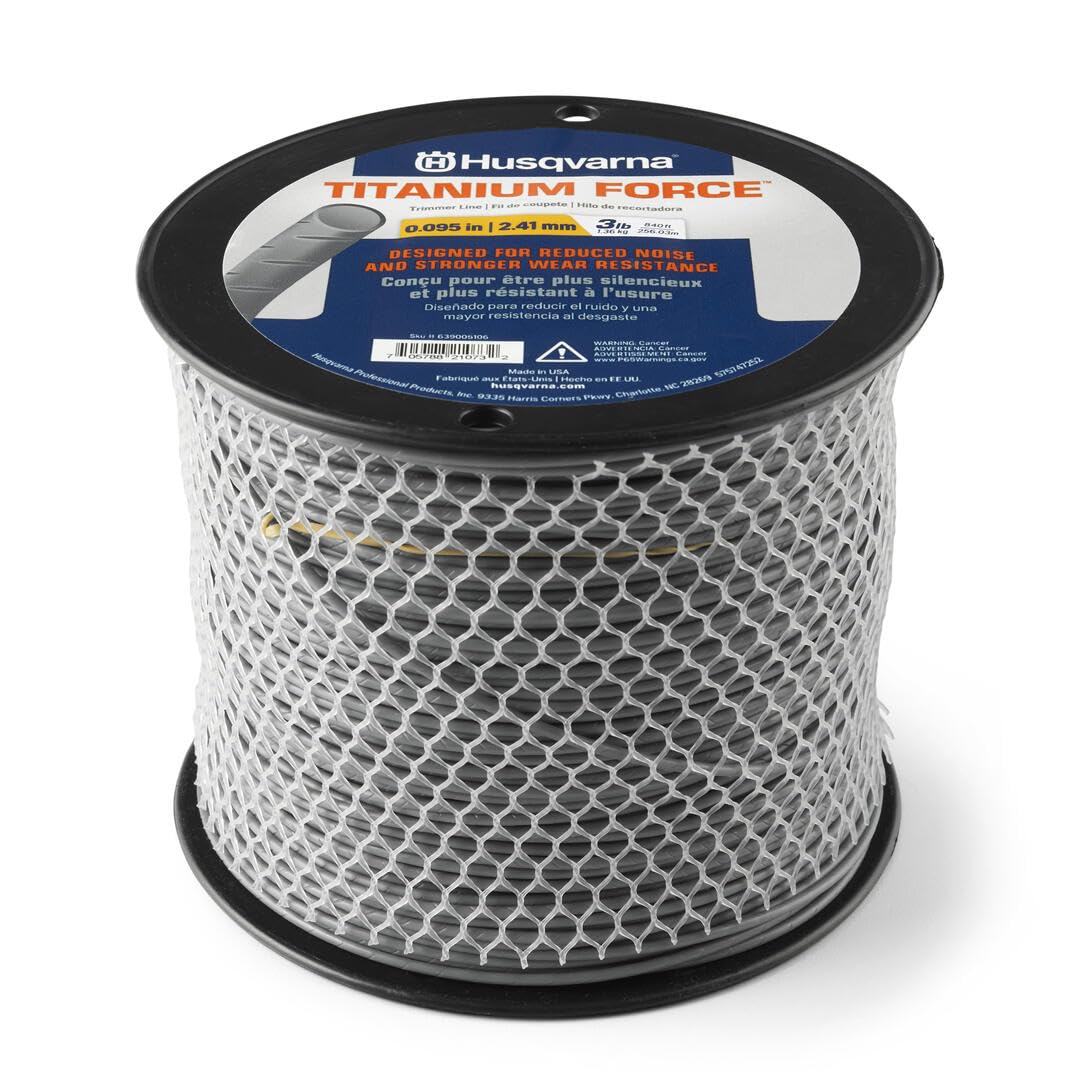
A premium square-profile 2.0 mm trimmer line — aggressive, clean-cutting and long-lasting, on a big-value spool.
- Diameter2.0 mm
- ProfileSquare (4 cutting edges)
- MaterialReinforced copolymer

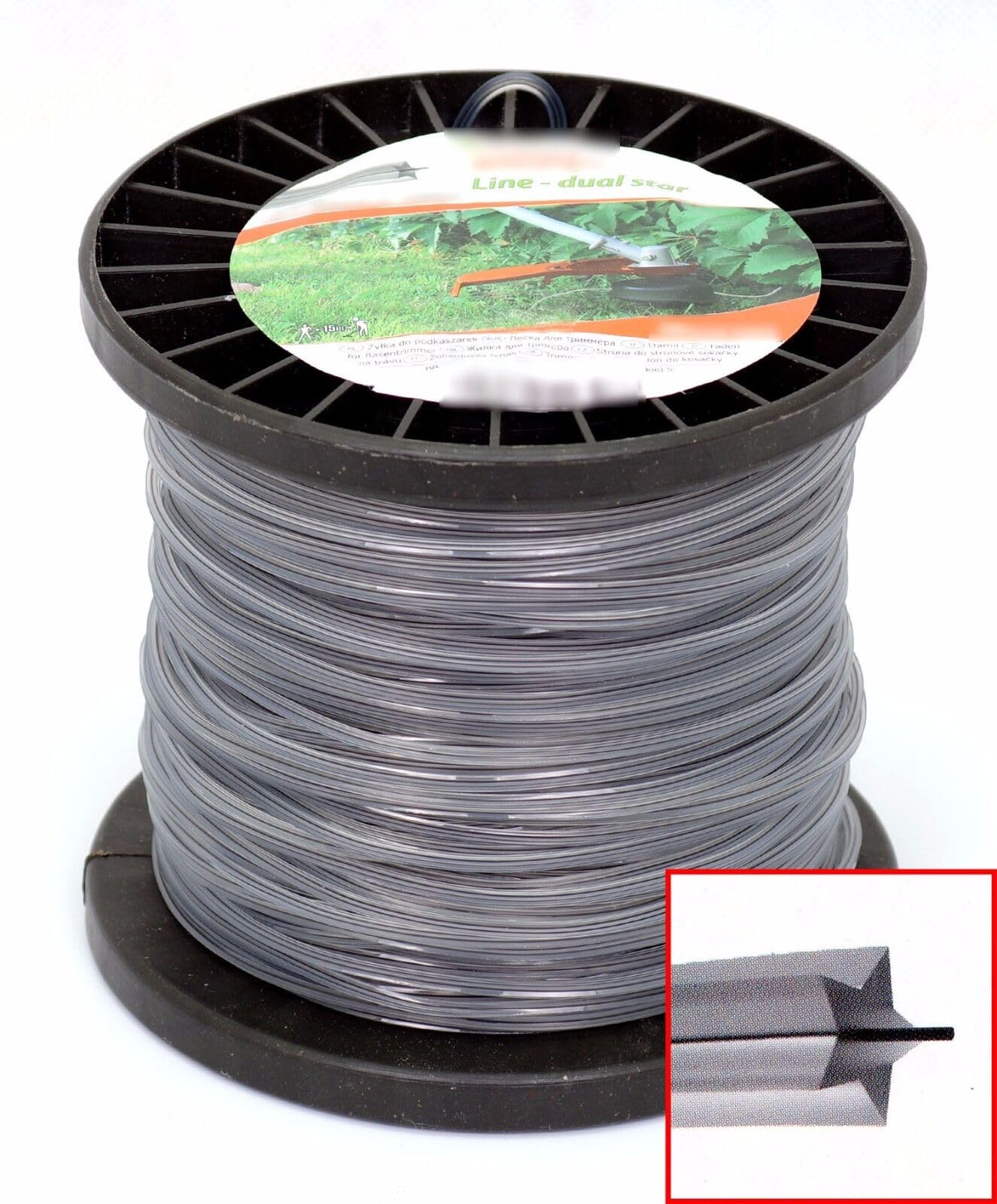
A star-profile 1.65 mm trimmer line that cuts cleaner than round line — a great-value choice for regular lawn trimming.
- Diameter1.65 mm
- ProfileStar (6 cutting points)
- Length~134 m
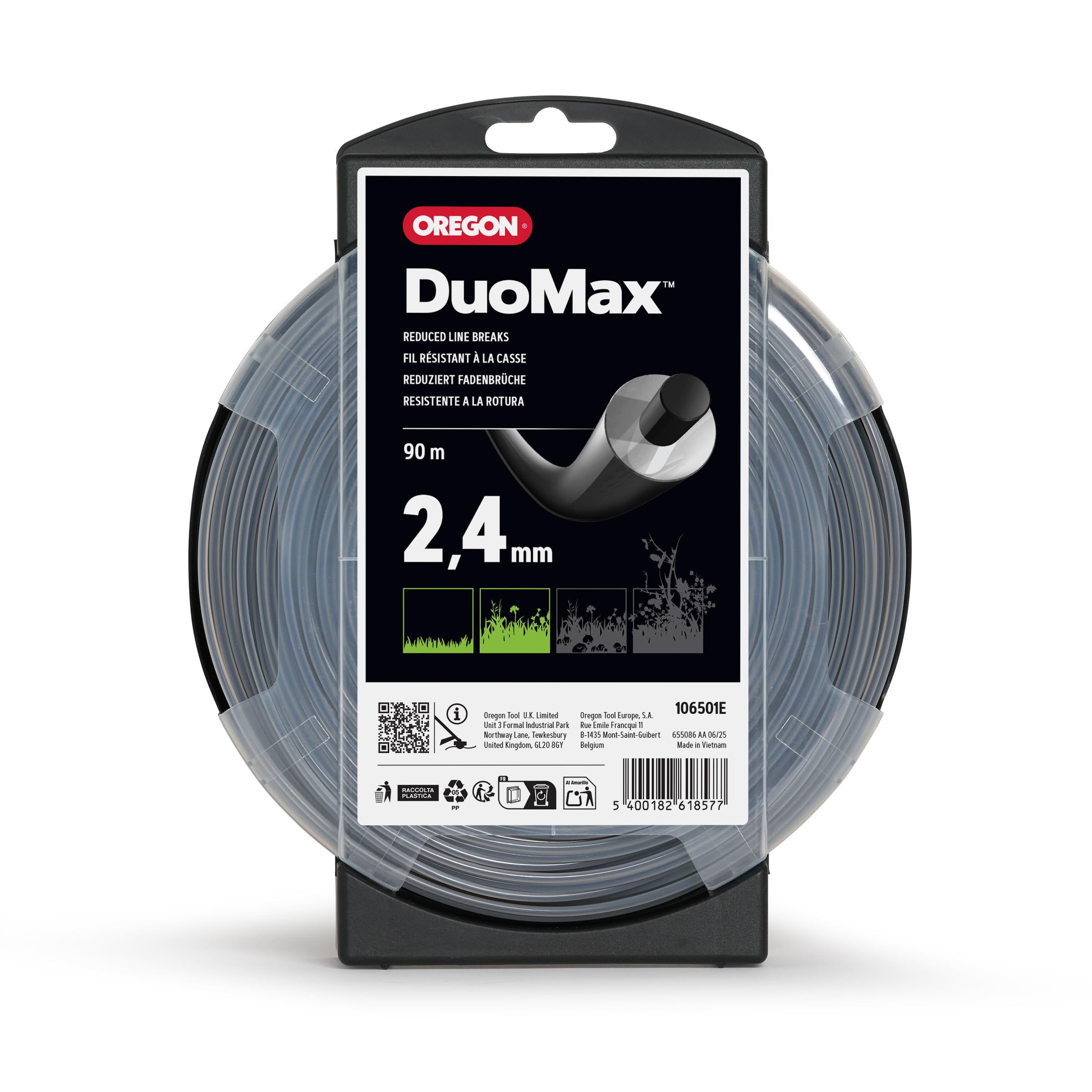
A tough 2.4 mm round line from Oregon in two spool sizes — the durable choice for thicker grass and heavier trimming.
- Diameter2.4 mm
- ProfileRound
- MaterialHigh-resistance nylon

A huge 377 m spool of 2.0 mm round line — the longest-lasting, lowest cost-per-metre choice for regular home use.
- Diameter2.0 mm
- ProfileRound
- Length377 m

A thick 3.0mm square-profile nylon trimmer line with sharp cutting edges, built for larger petrol trimmers tackling coarse grass and light brush.
- Diameter3.0 mm
- ProfileSquare
- MaterialCo-polymer nylon
A reinforced-core 2.7mm nylon trimmer line built to resist snapping and flying off, suited to mid-size trimmers cutting rough grass and weeds.
- TypeCored (dual-layer)
- Diameter2.7mm
- ShapeRound outer profile
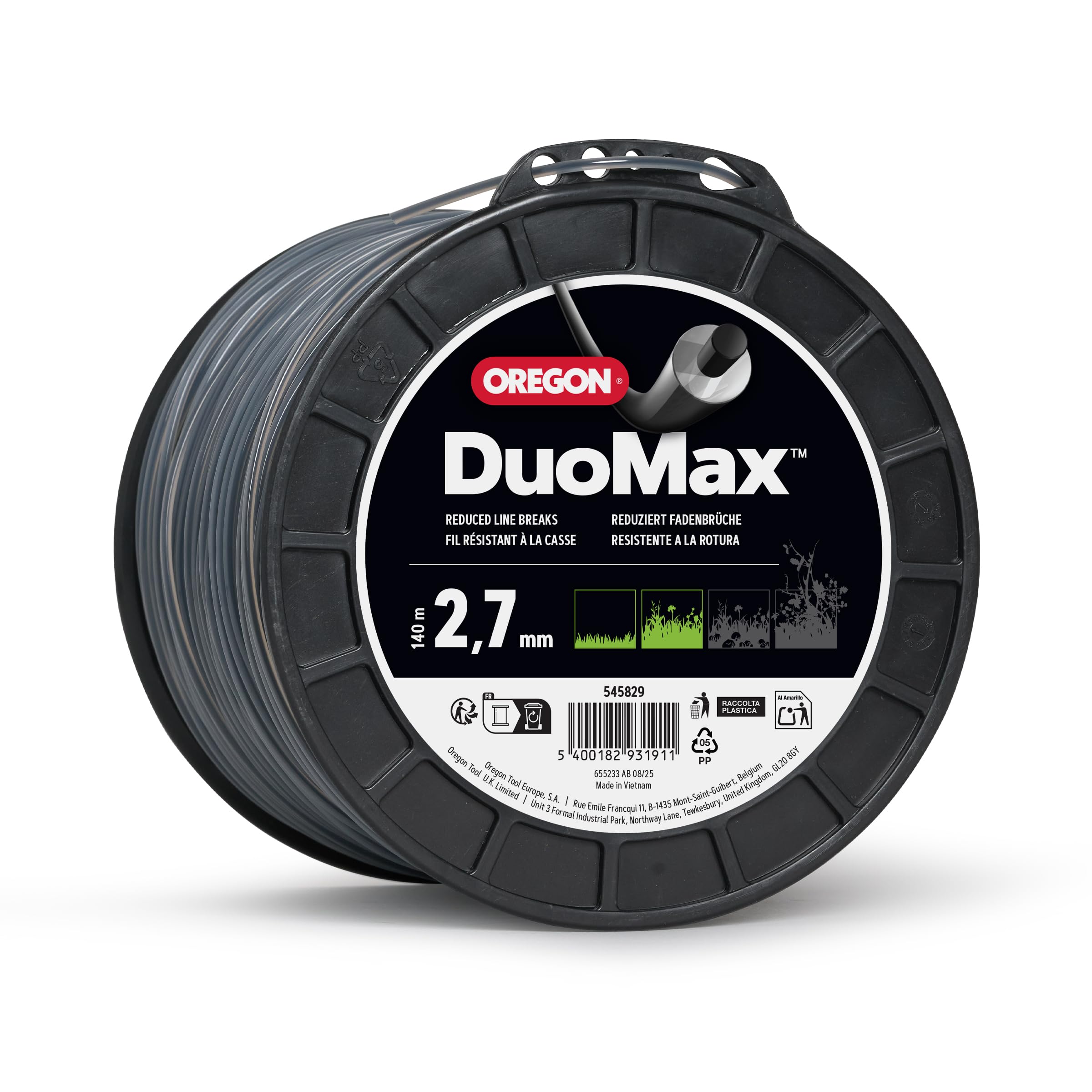
A dual-material 2.7mm trimmer line combining a soft outer edge with a stiffer core, aimed at mid-size trimmers cutting coarse grass and weeds.
- TypeDuoline (dual-material co-extrusion)
- Diameter2.7mm
- ShapeRound profile
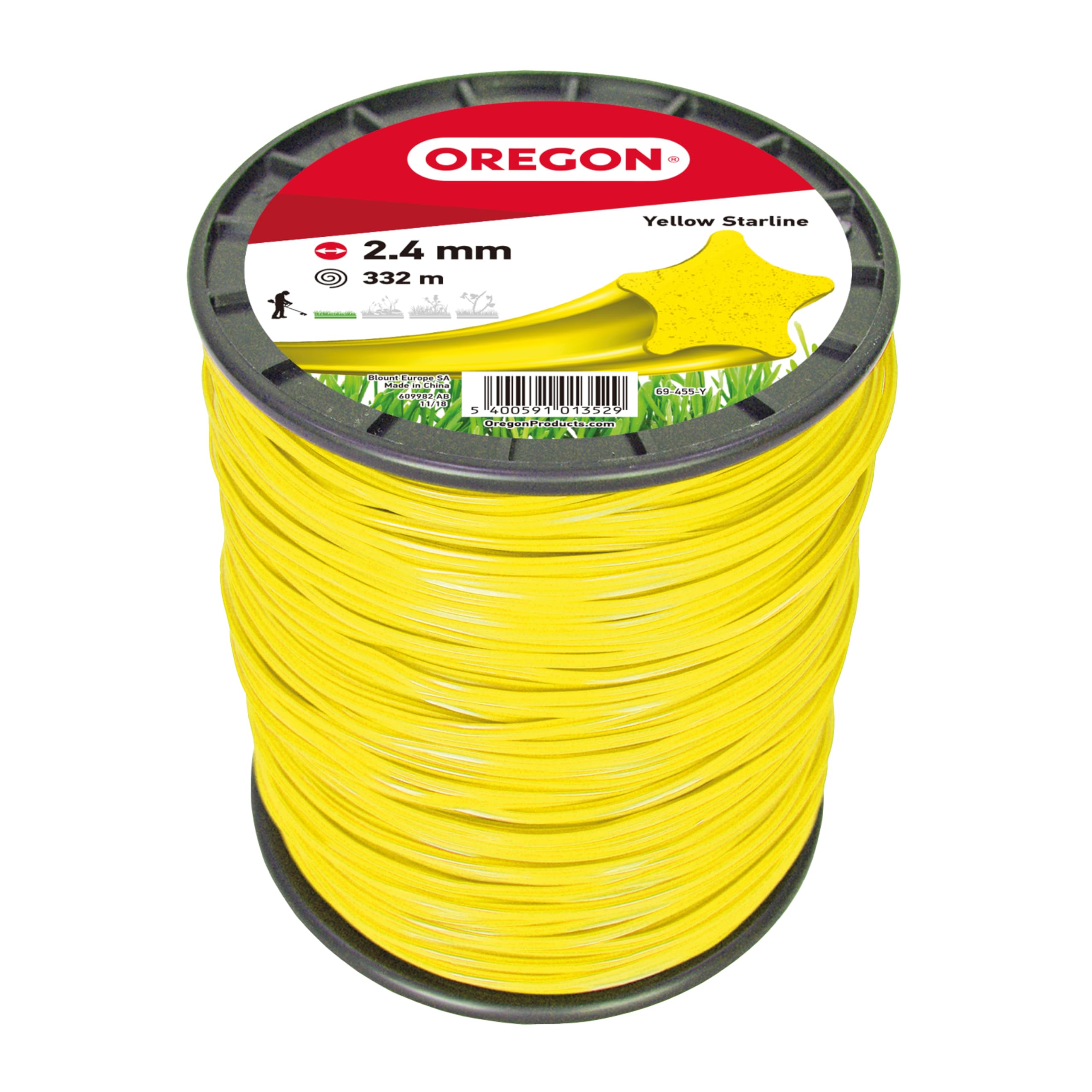
A round-profile 2.4mm nylon trimmer line built for durability, suited to medium-power trimmers cutting regular garden grass.
- Diameter2.4 mm
- ProfileRound
- MaterialCo-polymer nylon
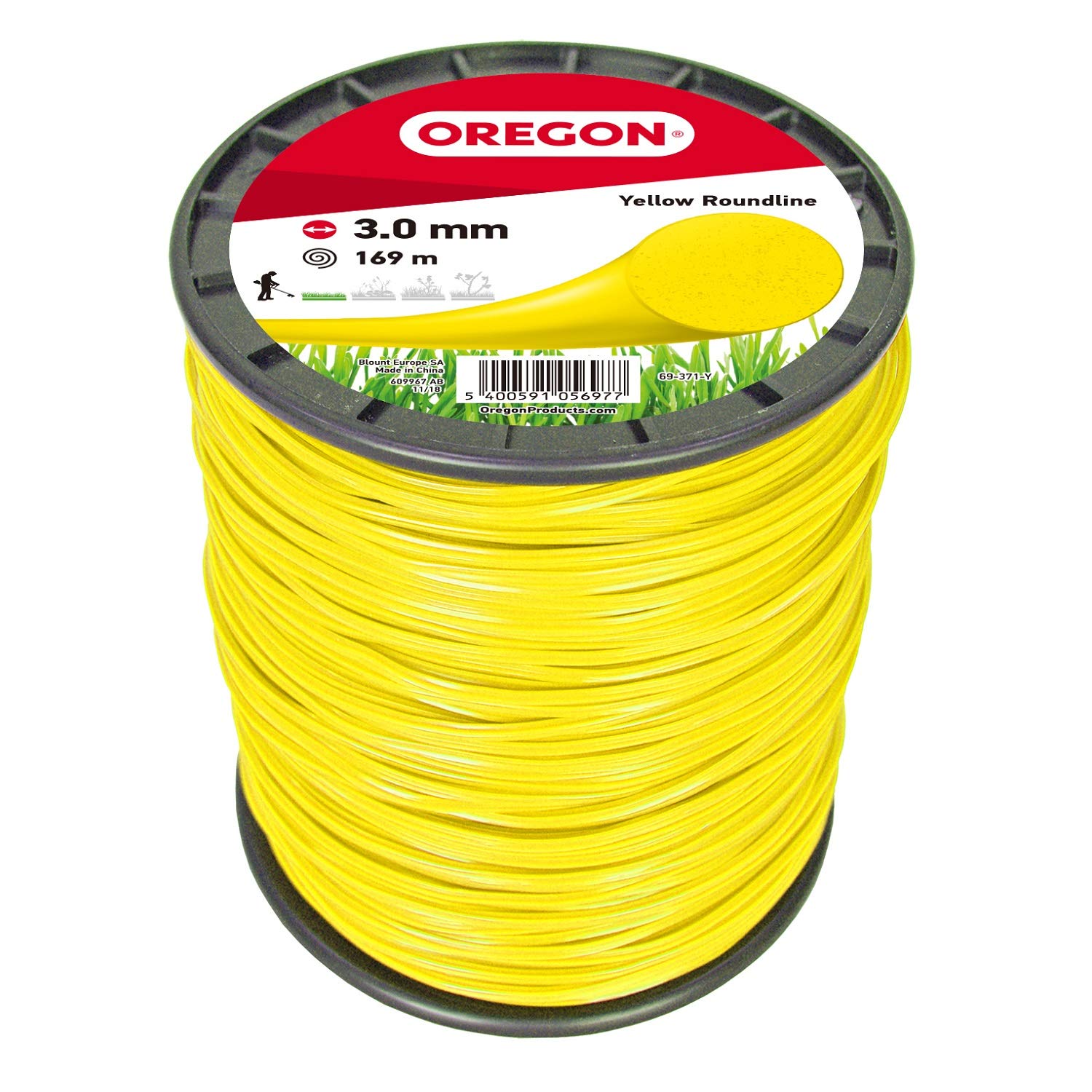
A thick 3.0mm round nylon trimmer line built for heavy-duty petrol trimmers and brushcutters tackling tougher, overgrown grass.
- Diameter3.0 mm
- ProfileRound
- MaterialCo-polymer nylon
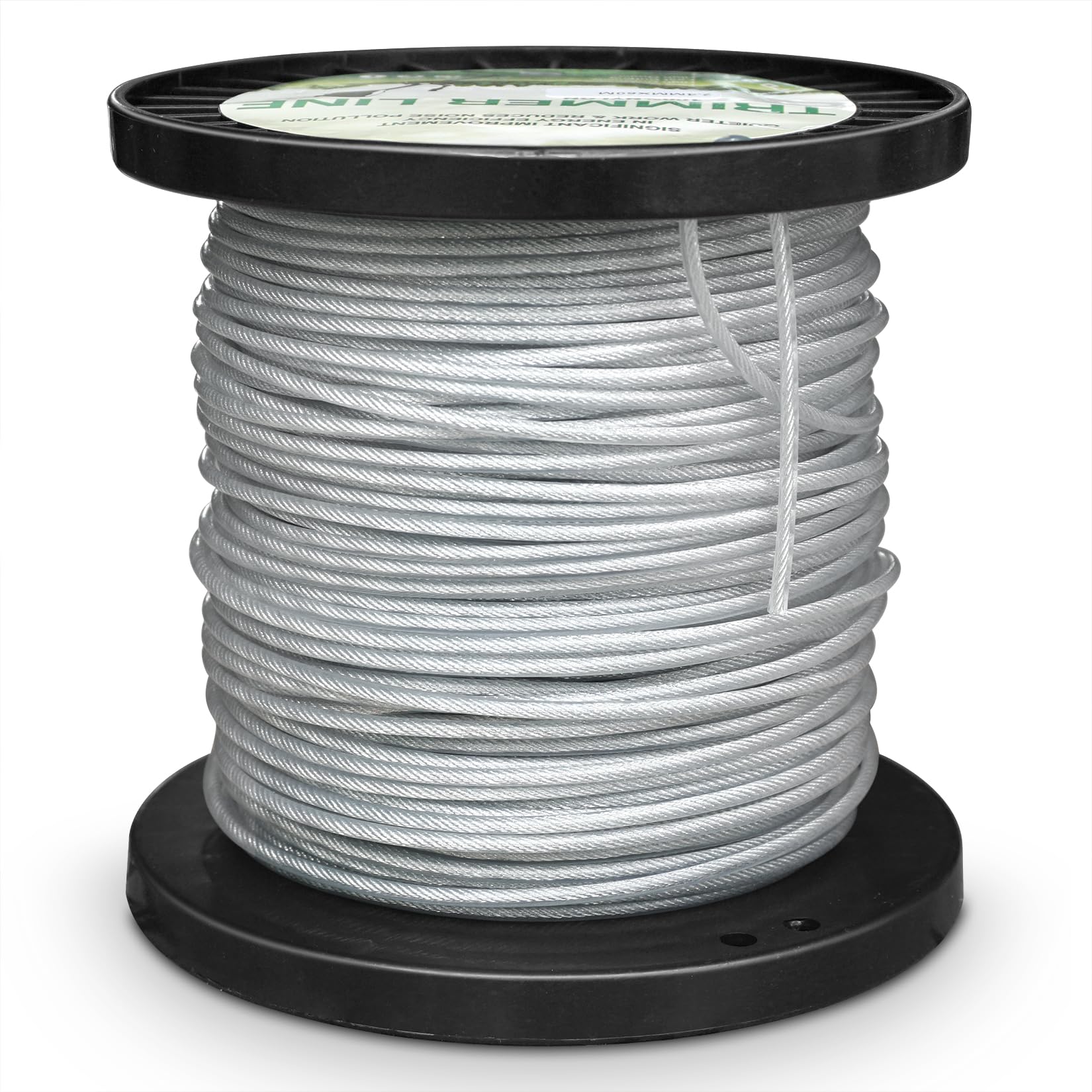
A ready-wound 2.4mm nylon line spool that drops straight into compatible bump-feed heads, saving the hassle of manual winding.
- TypeRound, pre-wound
- Diameter2.4mm
- LengthApprox. 10m per spool (varies by pack)
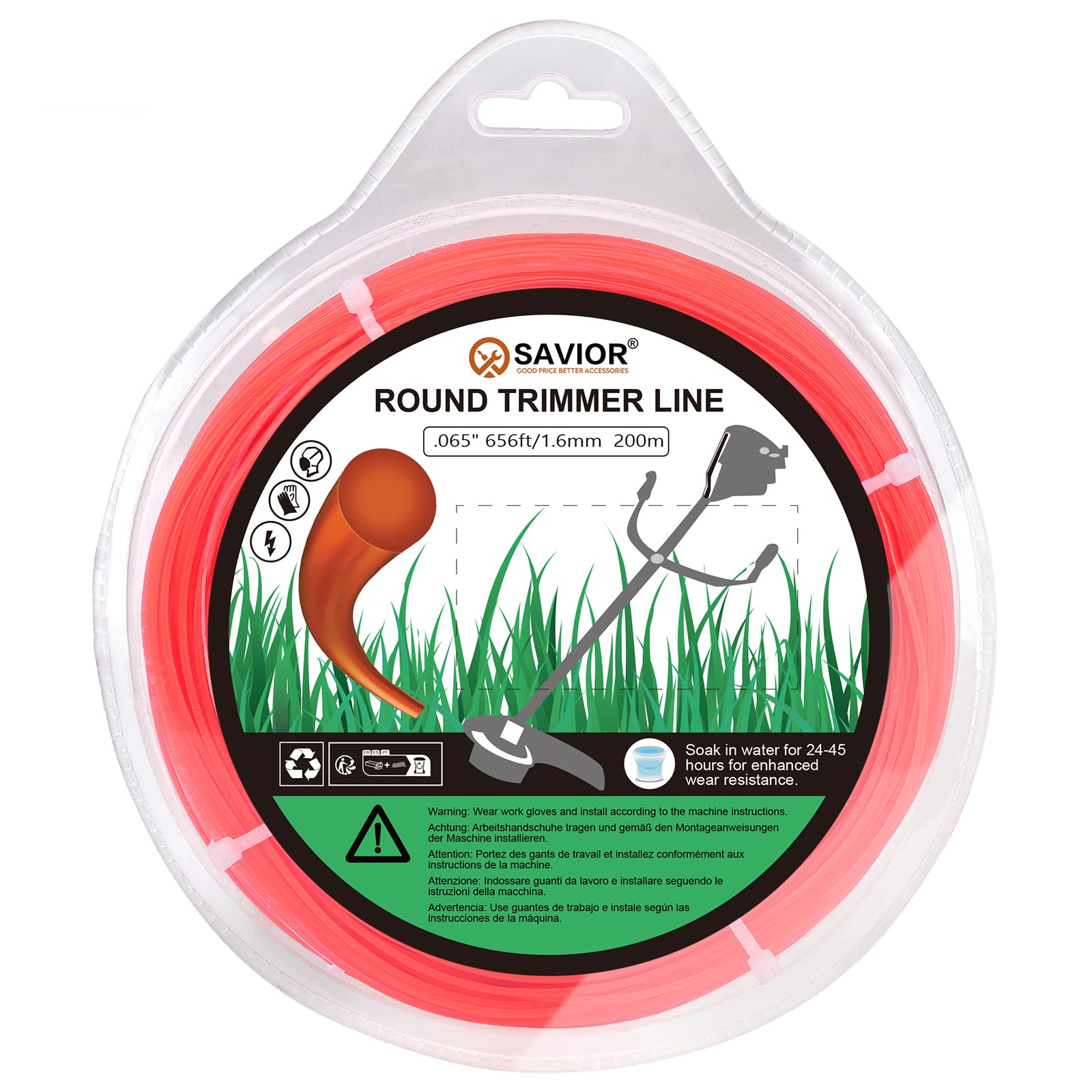
A fine 1.6mm round trimmer line designed to cut noise on light electric and cordless strimmers, best suited to lawn edging in noise-sensitive gardens.
- TypeRound
- Diameter1.6mm
- LengthApprox. 15m (varies by listing)
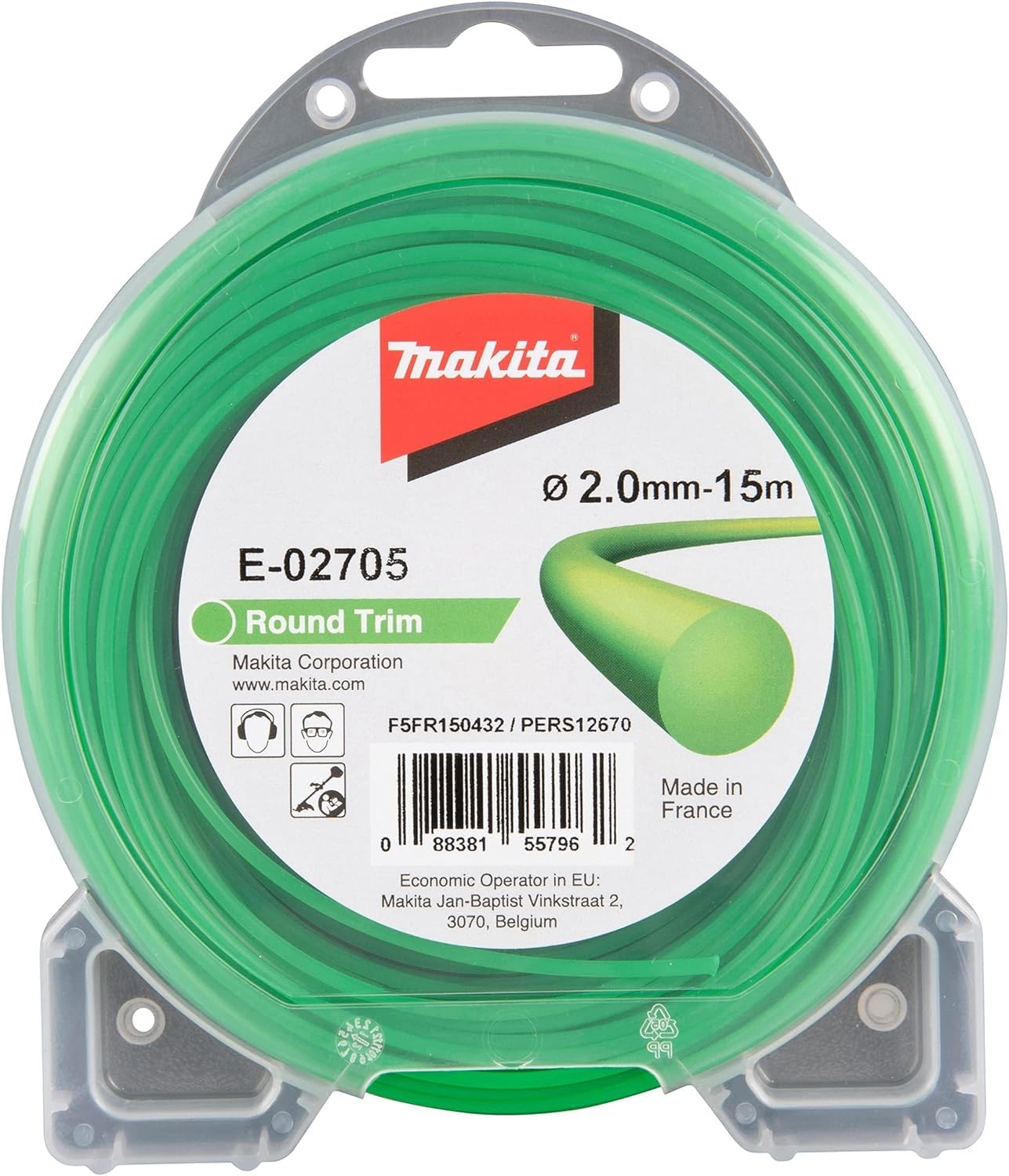
A fine 2.0mm round trimmer line for light electric and cordless strimmers, best suited to lawn edging and soft grass.
- TypeRound
- Diameter2.0mm
- LengthApprox. 15m (varies by listing)

A heavy-duty 4.0mm round trimmer line built for powerful petrol brush cutters tackling coarse grass, weeds and light scrub.
- TypeRound
- Diameter4.0mm
- LengthApprox. 15m (varies by listing)
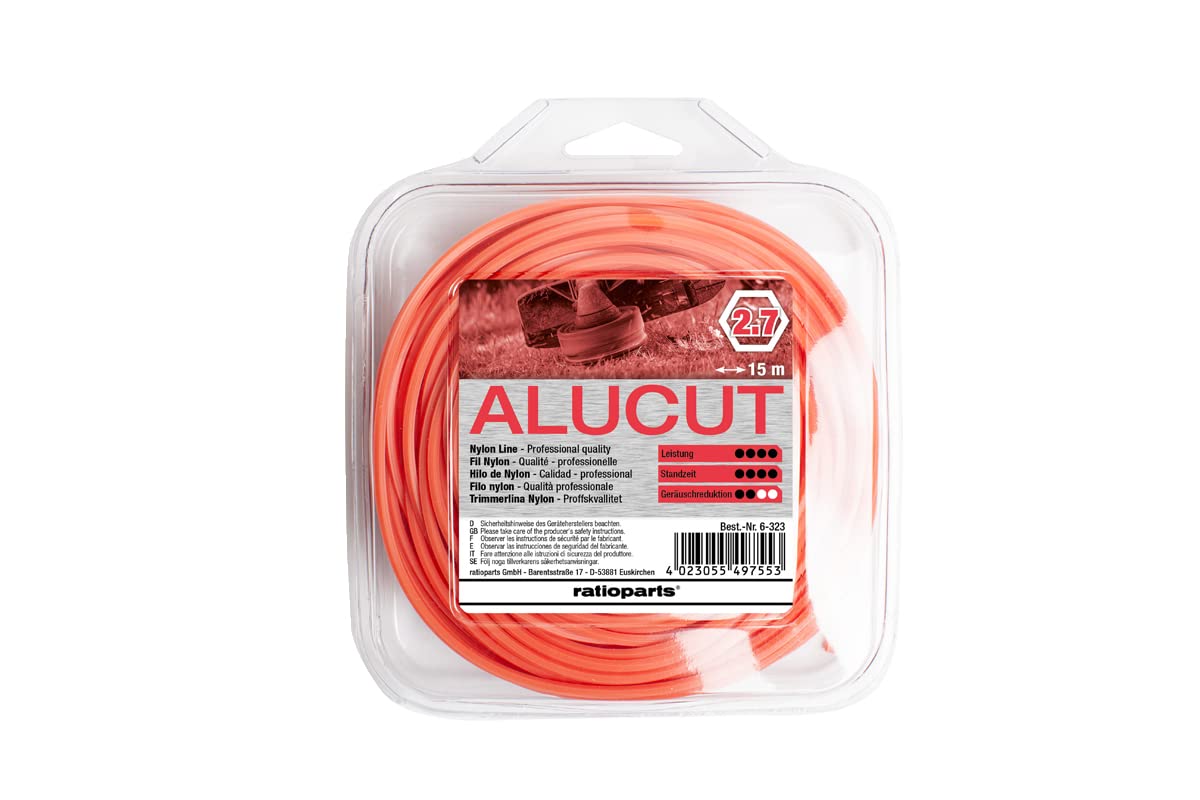
A square-profile 2.7mm nylon trimmer line with sharper cutting edges, suited to mid-size trimmers tackling coarser grass and light weeds.
- Diameter2.7 mm
- ProfileSquare
- MaterialNylon (co-polymer)
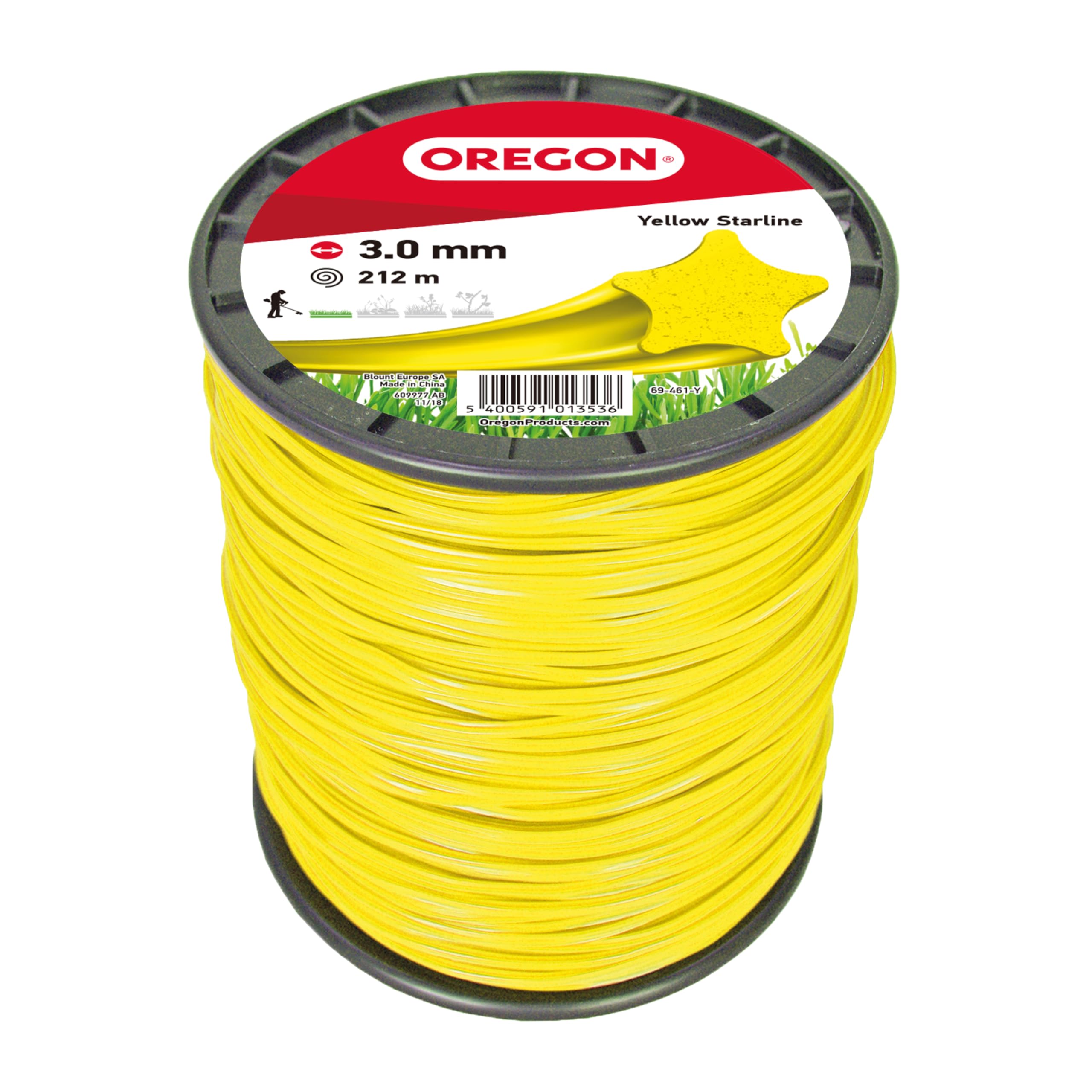
A thick 3.0mm twisted-profile nylon trimmer line built to cut more aggressively through tough weeds, suited to powerful petrol trimmers and brushcutters.
- Diameter3.0 mm
- ProfileTwisted (square-edged)
- MaterialCo-polymer nylon
Thickness matters most
Match the line diameter to your growth: 1.65 mm for light lawn edging, 2.0 mm as the all-round default, and 2.4 mm for thick, tough grass. Going thicker than your head allows just causes jams — check your machine's maximum first.
Profile: square vs round
Square and star profiles have sharp edges that cut cleaner and bite harder on tough grass. Round line feeds smoothly and costs less, ideal for everyday lawn work. If you cut a lot of tough grass, a square 2.0 mm line is the sweet spot; for casual lawns, a big round spool is unbeatable value. See our buying guide for more.
Frequently asked questions
What thickness of trimmer line do I need?
1.5–1.6 mm for light lawn edging, 2.0 mm as an all-round choice, and 2.4 mm+ for thick or tough grass. Always check your machine's maximum line diameter first.
Is square line better than round?
Square (and star) profiles have sharp edges that cut cleaner and more aggressively than round line, especially on tough grass. Round line is smoother-feeding and usually cheaper.
Why does my line keep breaking?
Usually the line is too thin for the growth, worn/brittle from age, or you're hitting hard edges. Step up a thickness, store line out of sunlight, and keep clear of walls and stones.
Does trimmer line fit any machine?
Line is largely universal by diameter, but your cutting head has a maximum diameter it accepts. Match the line thickness to the head, not the brand.
The tool we recommend
Found your model? Buy it at the right price.
UniverTrack tracks the real price of your brush cutter across retailers, spots fake discounts and tells you when it's genuinely the right moment to buy — with an AI assistant to guide you.
- Real price history
- Buy-now alerts
- AI buying assistant
No commitment · Cancel in 1 click · 5 languages
Which one for which need
Attacking tough grass
Thick line resists wear and cuts tough vegetation. In exchange it demands more torque from the machine.
Finishing cleanly
Fine line cuts soft grass more cleanly and puts less strain on the machine, at the cost of breaking more often.
Lasting a whole season
Line is a brushcutter's main consumable. The spool length decides how many refills you get before buying again.
Who each type suits
- Edges and finishing
- Fine line is enough and does less damage to whatever borders the area. It is the most frequent use of a lightweight machine.
- Scrub and tall grass
- Thick line holds where fine line burns through in a few minutes. The machine has to have the matching torque.
- Working near trunks
- Line damages the bark of young trees with every pass. It is a frequent cause of dieback, and invisible at the time.
The trade-offs to weigh
- Thickness against available torque
- Line too thick for the machine makes it labour and overheat. The maximum permitted diameter is stated by the manufacturer, and it is not exceeded.
- Serrated profile against longevity
- Twisted or serrated profiles cut better and wear faster. Round line lasts longer and cuts less cleanly.
- Reinforced line against price
- Composite-core lines resist breakage markedly better and cost more. On ground that breaks a lot of line, they work out cheaper.
Questions buyers ask
Why does the line weld to itself inside the head?
The heat of friction melts the coils together, especially on line that has been stored a long time. Soaking the spool in water for a few hours before use markedly reduces the phenomenon.
Should line be stored in water?
Nylon dries out and becomes brittle in storage. A soak of a few hours before use gives it back part of its suppleness.
How much line should I wind on?
Not beyond the spool's mark: an overfilled spool prevents the mechanism feeding correctly.
Does it have to be wound in a particular direction?
The direction is shown on the spool by an arrow. Wound the wrong way, the line will not feed when you tap.
Does line damage trees?
It notches the bark with every pass and can kill a young tree in a season. A trunk protector or a strip of grass left around it prevents that.
Should I cut the line to the length of the guard's cutter?
The guard's cutter sets the length automatically on the first revolution. Line longer than intended slows the machine and causes vibration.
Can the line throw objects?
At that speed it throws gravel, glass fragments and pieces of metal a long way. That is why the area is cleared before starting.
What to remember
Stored line dries out and breaks: a soak of a few hours before use gives it back its suppleness and stops it welding inside the head. Do not exceed the spool's mark or the machine's maximum diameter — and line notches the bark of young trees with every pass.