The best brush cutters for reeds
Reeds grow tall, dense and often wet at the water's edge, and they punish weak engines and short reach alike. These picks are ranked on the power and blade performance this job actually needs.
- 1
- 2
- 3
- 4
- 5
- 6


What matters for reeds
Reeds are deceptive: they look like tall grass but cut more like light brush. Dense stands of fibrous, often waterlogged stems demand real engine torque, not just line speed — a weak machine will bog down or simply flatten them. A metal blade is close to essential here, since it shears through fibrous stems far more cleanly than nylon line. Reach and balance matter too, since reed beds sit on soft banks or standing water where you can’t always plant your feet, and a comfortable harness and bike handle make a real difference over a long session. Weight and stamina count as well, since reed clearance is rarely a five-minute job.
Our picks
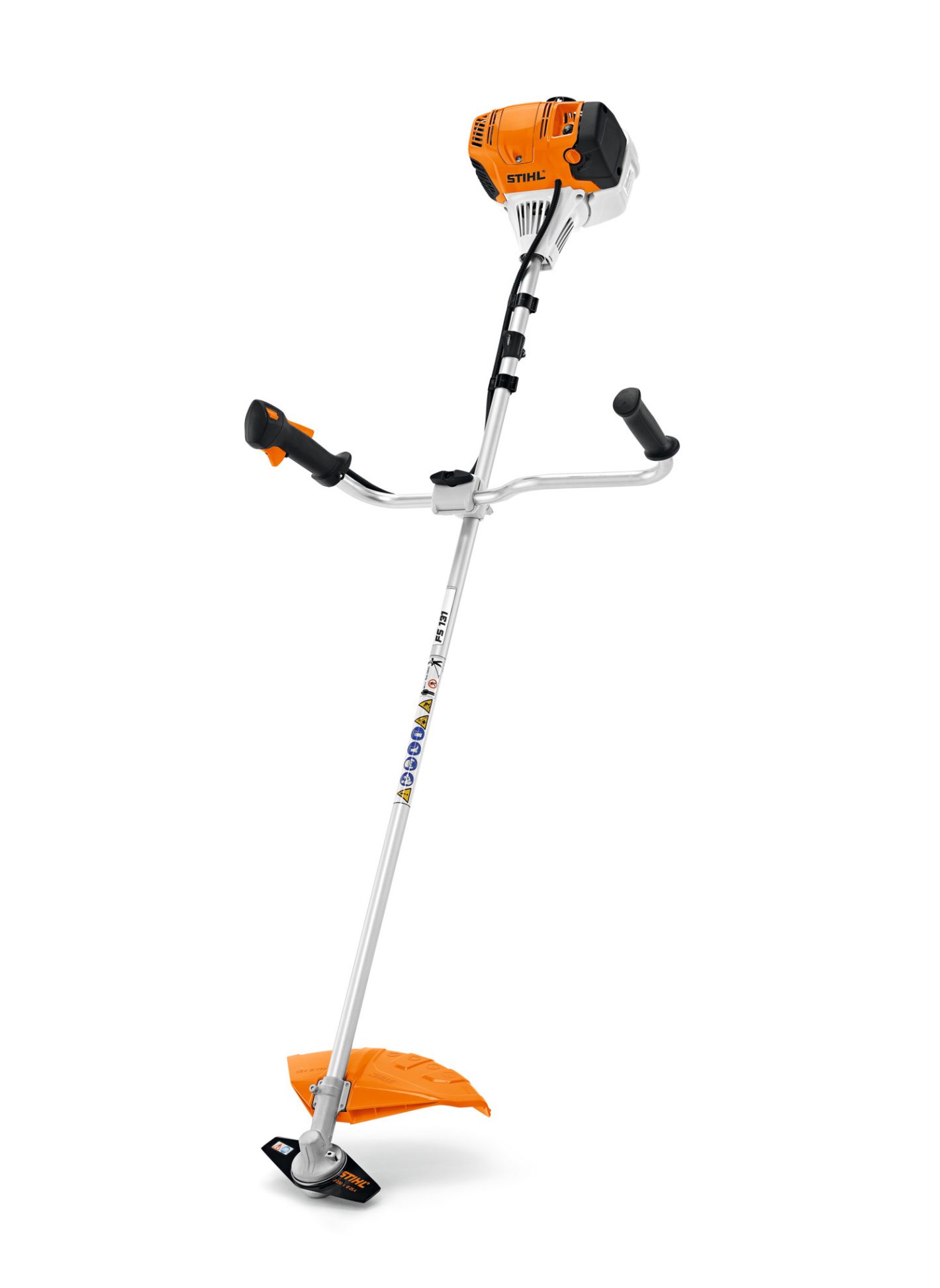
The Stihl FS 131 is the benchmark here: its 36.3 cc 4-MIX engine has the low-end torque to drive a metal blade through thick, wet reed stems without bogging down, and it’s built for the kind of large, regular clearing that reed beds demand.
The Husqvarna 128R is the lighter, friendlier option for a smaller or lightly overgrown reed patch. Its 28 cc engine and Smart Start make it easy to live with, though it’s better matched to thinner reed growth than to a dense, established bed.
The Makita EM4351UH suits anyone clearing reeds regularly rather than once a year. Its 43 cc 4-stroke engine hits hard enough for dense stands, and the exceptionally low vibration pays off on the long sessions a big reed bed usually takes.
The Einhell GC-BC 52 brings serious 51.7 cc power to a reed bed at a budget price, with a blade already in the box. It’s a strong option for a large, neglected patch where you want maximum clearing force without spending on a premium brand.
The Honda UMK 425 is the choice for lighter, more regular reed maintenance around a pond or bank where quiet, mix-free reliability matters more than outright power — just don’t expect it to muscle through a thick, overgrown stand.
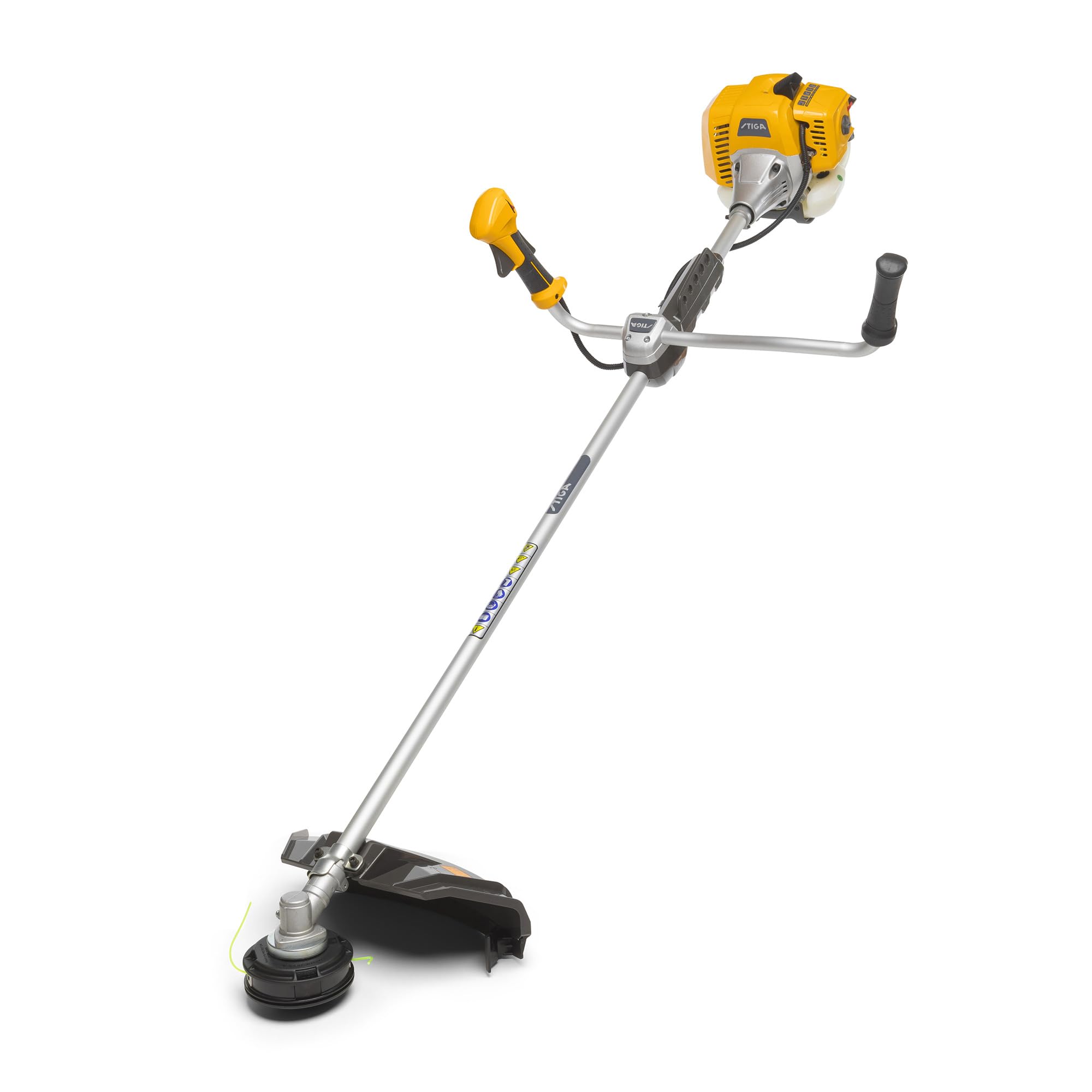
The Stiga BC 545 B arrives complete with a 3-tooth blade, Tap&Go head and double harness, giving you a well-rounded 42.7 cc machine that’s ready to tackle a proper reed bed straight out of the box.
Which should you choose?
For a genuinely large or dense reed bed, the Stihl FS 131 or Makita EM4351UH give you the torque and stamina to keep going all day. If budget is the priority but the reeds are thick, the Einhell GC-BC 52 or Stiga BC 545 B deliver comparable cutting power for less outlay, complete with a blade. For a smaller patch, a pond margin, or reeds mixed with regular grass, the Husqvarna 128R or Honda UMK 425 are easier, quieter machines that won’t be overkill.
Frequently asked questions
Do I need a blade to cut reeds, or will a line head do?
A metal blade is the better tool. Reed stems are fibrous and often thicker than grass, so a blade slices through cleanly at speed, while a line head bogs down and wears line fast on tall, dense stands.
Is a petrol or cordless machine better near water?
Petrol suits reed beds best, since these jobs are often large, remote from a socket, and demand sustained power. Keep fuel and oil well away from the water, and avoid spills near the bank.
Why does reach matter so much for reeds?
Reed beds often grow in soft, uneven or waterlogged ground you can't always stand in. A bike handle and a properly adjusted harness let you work at a comfortable distance without leaning out over the bank.
The tool we recommend
Found your model? Buy it at the right price.
UniverTrack tracks the real price of your brush cutter across retailers, spots fake discounts and tells you when it's genuinely the right moment to buy — with an AI assistant to guide you.
- Real price history
- Buy-now alerts
- AI buying assistant
No commitment · Cancel in 1 click · 5 languages