The best brush cutters for brambles
Brambles need two things: real torque and a metal blade. Nylon line just bounces off woody stems. These are the machines we'd trust to clear thick, thorny growth — ranked.
- 1
- 2
- 3
- 4


Why brambles need a blade
Brambles are woody, springy and thorny — a nylon line simply flails against them. To cut brambles cleanly you need a metal blade (3- or 4-tooth) and enough torque to keep it spinning through resistance. That points to petrol first, and strong steel-blade cordless second.
Petrol vs cordless for brambles
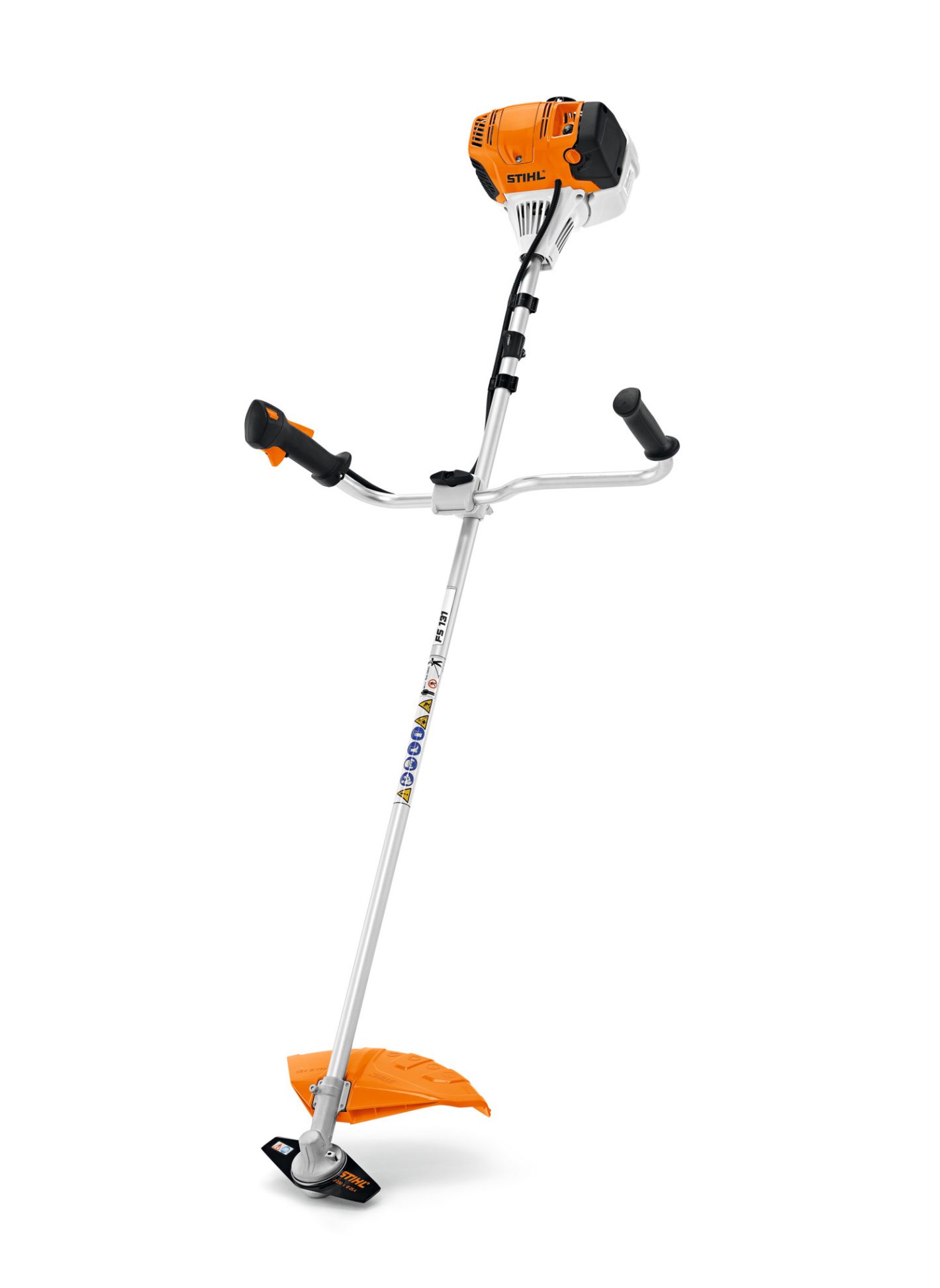
For thick, established brambles across a large or neglected plot, petrol wins — the constant torque of a 30 cc+ engine powers through where a battery would bog down or drain fast. The Stihl FS 131 and value-packed Fuxtec FX-MS152 are our top choices here.
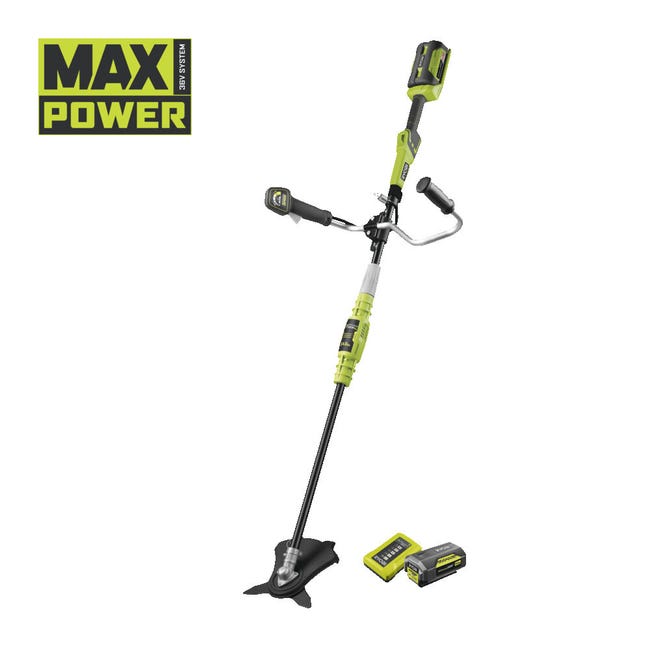
For lighter or occasional brambles where you value quiet and low maintenance, a steel-blade cordless like the Ryobi RBC36X26B does the job. Just size the battery up.
Stay safe
Brambles throw debris. Always wear eye protection, cut-resistant trousers and sturdy boots, use the harness, and keep bystanders well clear. See our full buying guide.
Frequently asked questions
What kind of brush cutter is best for brambles?
A petrol machine of 27 cc or more, or a strong 36V+ cordless, fitted with a 3-tooth or 4-tooth metal blade. Line-only trimmers cannot cut brambles.
Can a battery brush cutter cut brambles?
A 36V+ cordless with a steel blade, like the Ryobi RBC36X26B or Einhell Agillo, handles light-to-moderate brambles. For thick, established brambles over a large area, petrol is more capable.
What blade should I use for brambles?
A 3-tooth or 4-tooth metal brush blade. For saplings and woody stems mixed in, a circular-saw or 8-tooth blade works better.
The tool we recommend
Found your model? Buy it at the right price.
UniverTrack tracks the real price of your brush cutter across retailers, spots fake discounts and tells you when it's genuinely the right moment to buy — with an AI assistant to guide you.
- Real price history
- Buy-now alerts
- AI buying assistant
No commitment · Cancel in 1 click · 5 languages