The best brush cutters for ditches
Ditch banks are steep, uneven and often damp, so balance and reach matter more than raw power. These picks are ranked on how safely and comfortably they handle that awkward angle.
- 1
- 2
- 3
- 4
- 5
- 6



What matters for ditches
Ditch banks are rarely flat: you’re often standing on the top edge or in the base, reaching across a slope with the machine held out and angled downwards. That position tires your arms and shoulders fast, so a comfortable harness and manageable weight matter more here than outright cutting width. Damp, uneven footing also means you want predictable, controllable power rather than aggressive torque that can pull the head sideways. Reach helps too — a bit of extra shaft length or a bike handle lets you work the far side of the bank without over-stretching.
Our picks
The Husqvarna 128R is a sensible starting point — its bike handle and included harness make it easy to hold at an angle down a bank, and Smart Start means you’re not fighting the recoil cord while balanced on a slope.
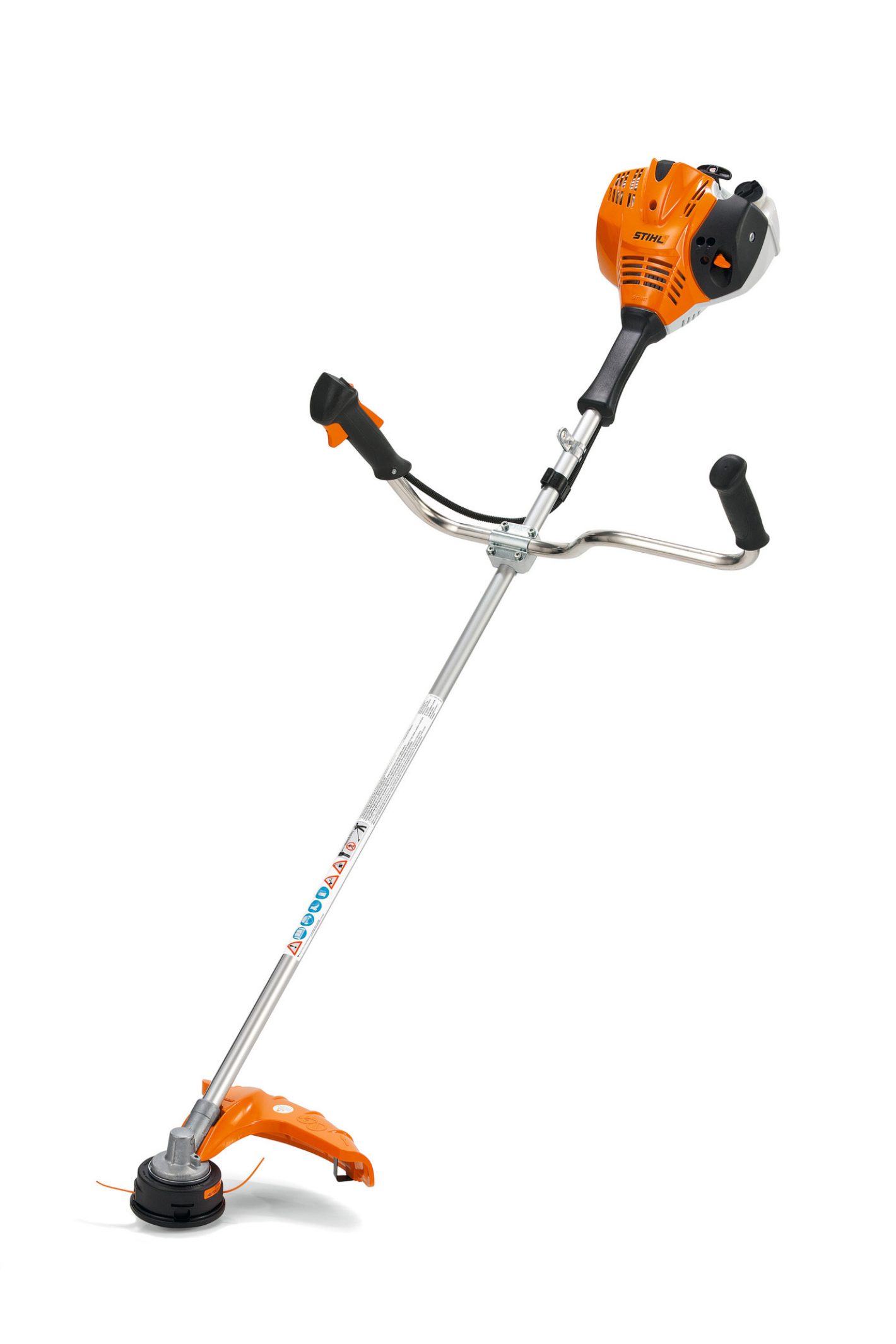
The Stihl FS 70 C-E is the all-rounder for ditch work: it ships with both a line head and an 8-tooth blade, so soft bank growth and tougher clumps of reed or scrub are both covered without swapping machines, and ErgoStart keeps cold starts painless.
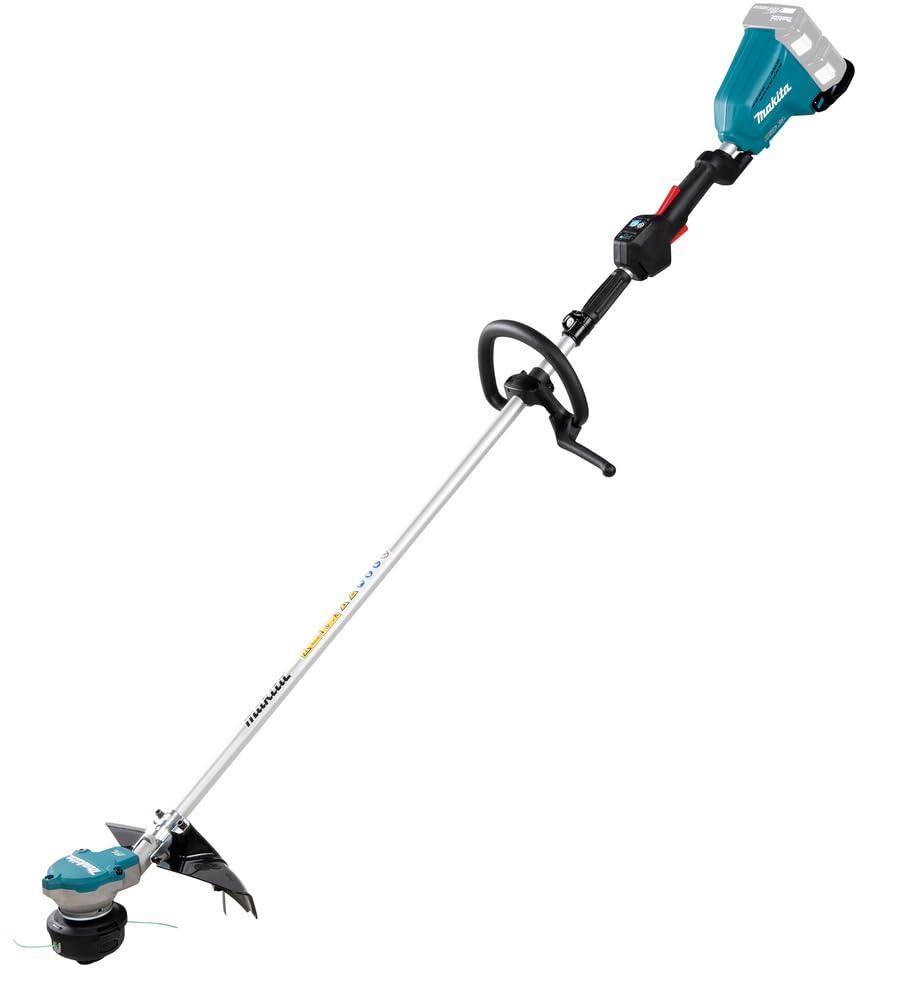
For anyone who’d rather leave petrol and fuel mixing out of it, the Makita DUR368LZ is the lightest option here at around 3.9 kg, which is a real advantage when you’re holding the machine at an awkward downward angle for long stretches — provided you already have 18V LXT batteries.
The Einhell GC-BC 25/1 is the budget route in — it’s genuinely light for a petrol machine, and comes with both a blade and harness, so you’re not paying extra to get properly equipped for bank work.
If you want a quiet, clean-running machine for routine ditch maintenance, the Honda UMK 425 is hard to beat: no fuel mixing, dependable starting, and a harness and blade included as standard.
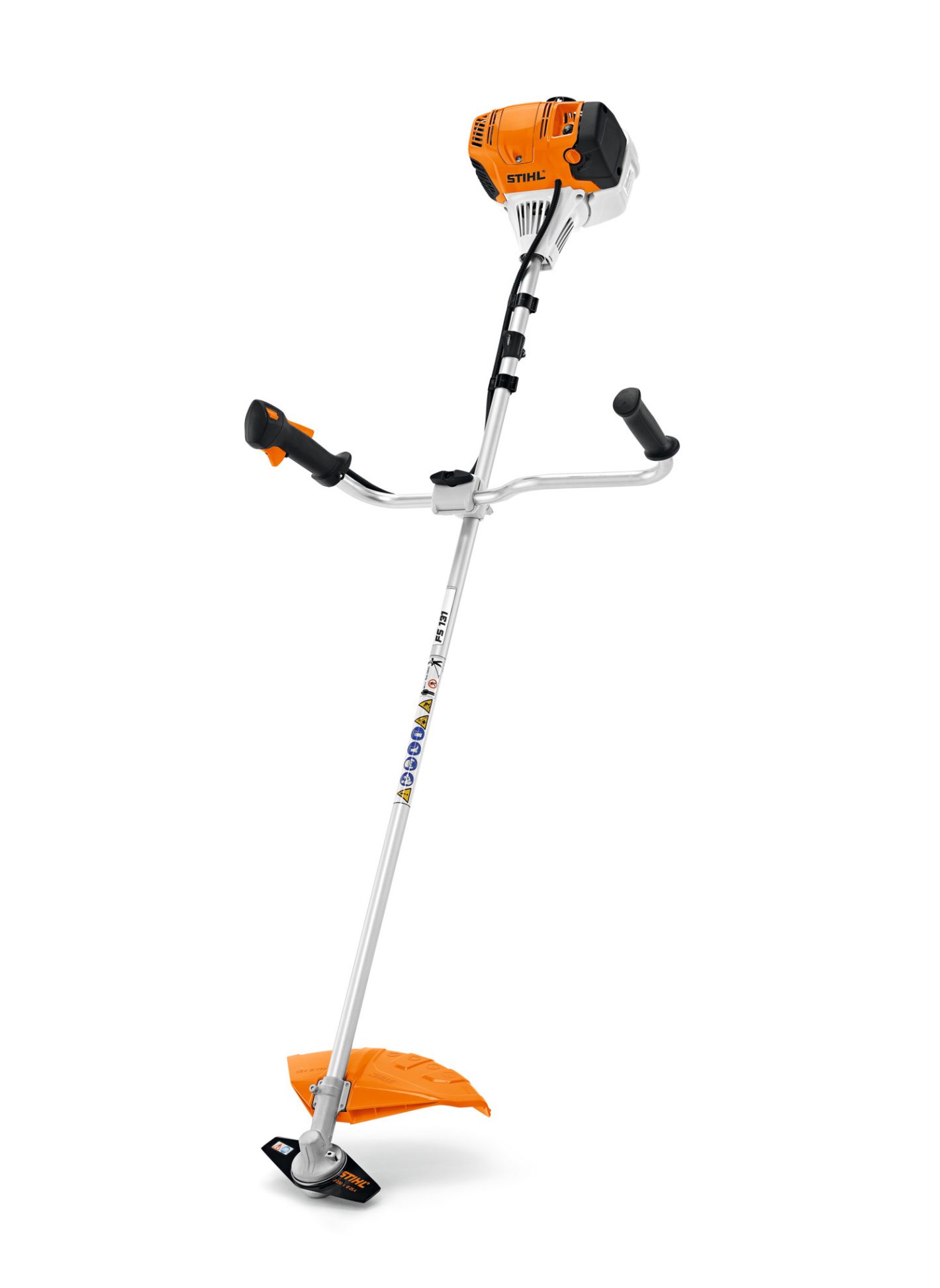
For long, neglected or heavily overgrown ditch lines with thick brambles and woody growth on the banks, the Stihl FS 131 has the torque to keep cutting without bogging down — it’s heavier, so lean on its harness, but it’s the one that won’t struggle on the worst stretches.
Which should you choose?
For an occasional ditch or two around a garden, the Husqvarna 128R or Einhell GC-BC 25/1 will do the job without overspending. If you want one machine that handles both the grass on the bank and tougher patches, the Stihl FS 70 C-E is the safest all-round choice. Go cordless with the Makita DUR368LZ if you already own LXT batteries and want the lightest possible hold on a slope, or choose the Honda UMK 425 if quiet, low-maintenance running matters more than price. Reserve the Stihl FS 131 for long, genuinely overgrown ditch systems where lighter machines would struggle.
Frequently asked questions
Is a lighter machine better for ditch banks?
Usually yes. On a slope you're holding the machine out and slightly below you for long stretches, so a lighter or well-balanced unit with a harness is far less tiring and easier to keep steady than a heavy semi-pro machine.
Line or blade for cutting a ditch?
Start with a line head for grass and soft growth on the bank itself — it's more forgiving of hidden stones and uneven ground. Switch to a blade only for tougher woody growth where you can see the terrain clearly.
Do I need a harness for ditch work?
Yes. A harness transfers weight off your arms so you can hold the machine at an angle down a bank without fatigue, and it improves control on the slope. Every pick here includes or is commonly fitted with one.
The tool we recommend
Found your model? Buy it at the right price.
UniverTrack tracks the real price of your brush cutter across retailers, spots fake discounts and tells you when it's genuinely the right moment to buy — with an AI assistant to guide you.
- Real price history
- Buy-now alerts
- AI buying assistant
No commitment · Cancel in 1 click · 5 languages