The best brush cutters for coppicing
Coppicing means cutting through woody stems, not grass, so this list is ranked on saw-blade compatibility and real cutting power. These are the machines we'd trust on a coppice block.
- 1
- 2
- 3
- 4
- 5
- 6


What matters for coppicing
Coppicing isn’t strimming — you’re felling woody regrowth, brambles gone to stem, and small saplings, often working through a whole stool at a time. That means the machine needs enough engine displacement and torque to keep a saw blade spinning under load, not stall the moment it bites into timber. A rigid straight shaft transmits power more efficiently than a curved one, and a proper harness matters because saw-blade work is heavier and more front-loaded than trimming grass. You also want a manufacturer that explicitly supports saw blades and guards — bolting one onto an underpowered machine is how kickback accidents happen.
Our picks
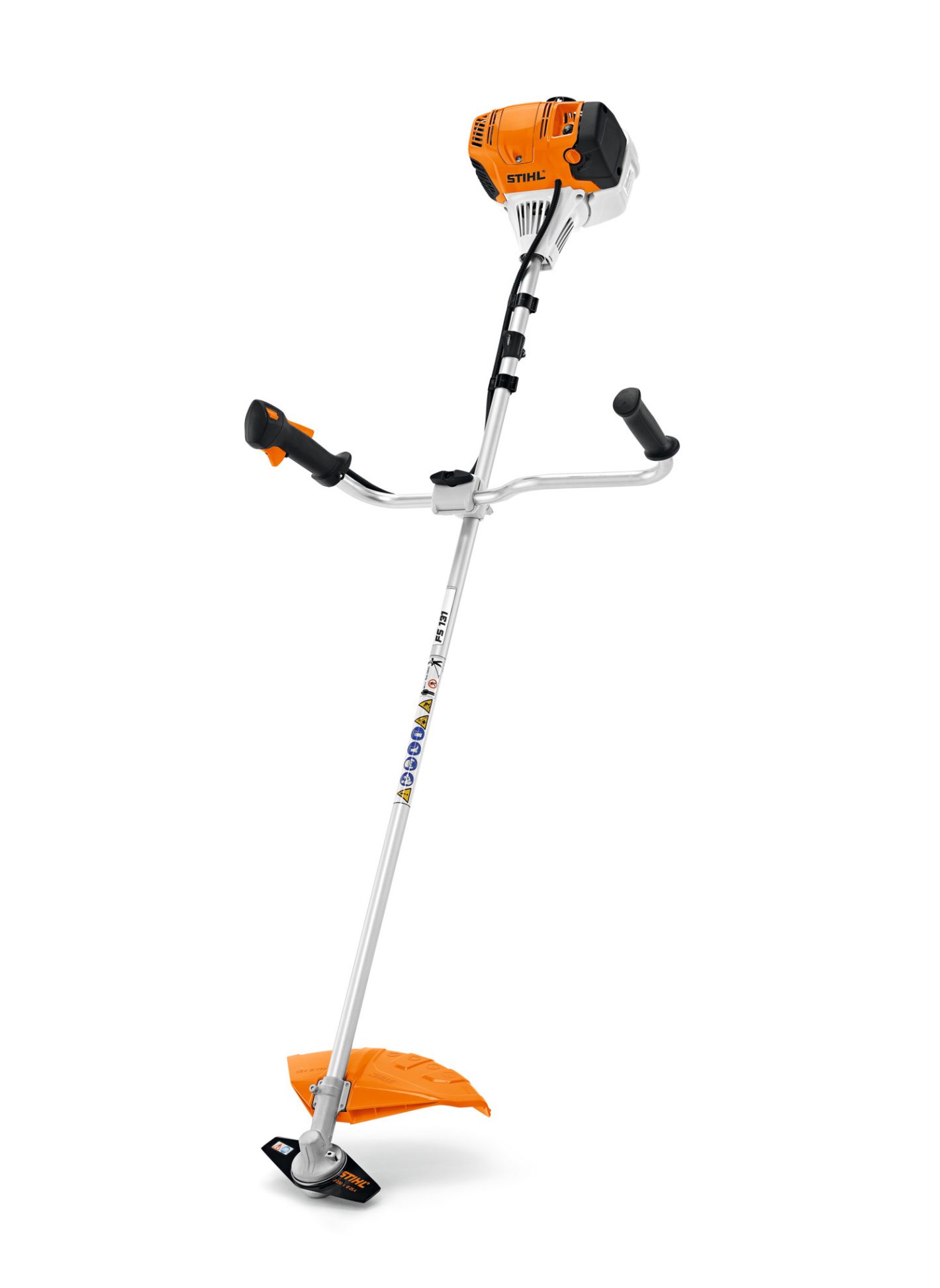
The Stihl FS 131 is a serious professional-grade clearing saw with the displacement and build quality to run a saw blade all day on a coppice coupe. It’s the machine to reach for if you’re doing this as a job, not a weekend task.
The Makita EM4351UH is a big 4-stroke with strong low-end pull, which suits the steady, grinding cuts through thick stems better than a peaky high-revving engine. It’s a good pick if you want 4-stroke smoothness without giving up power.
The Einhell GC-BC 52 brings a genuinely large-displacement engine at a much more approachable price, making it a sensible choice for anyone coppicing their own smallholding rather than working professionally.
The Husqvarna 128R is lighter and less brutal than the others here, so treat it as the option for managing smaller coppice regrowth and mixed bramble-and-sapling clearance rather than felling substantial stems.
The Honda UMK 425 pairs Honda’s GX 4-stroke reliability with torque that suits saw-blade work well, and its clean running makes long coppicing sessions less fatiguing than a smoky 2-stroke.
The Fuxtec FX-MS152 is the biggest engine on this list by capacity, aimed squarely at buyers who want maximum brute force for tackling overgrown, neglected coppice at the lowest cost.
Which should you choose?
For regular professional coppicing work, the Stihl FS 131 or Makita EM4351UH are the two to trust under sustained load. If you want 4-stroke reliability and don’t mind a premium price, the Honda UMK 425 is the smoothest option. Managing your own coppice occasionally, on a budget, points to the Einhell GC-BC 52 or the high-capacity Fuxtec FX-MS152. The Husqvarna 128R is best reserved for lighter regrowth rather than thick, established stems — for anything genuinely large, step up to a chainsaw instead.
Frequently asked questions
Do I need a saw blade for coppicing, or will a brushcutter blade do?
For anything beyond thin whips, fit a toothed circular saw blade rather than the standard 3-tooth brushcutter blade. It cuts woody stems far more cleanly, with less snagging and less strain on the engine and gearbox.
What size stem can these machines actually cut?
With a saw blade and enough engine power, most of these machines will comfortably fell stems up to 3-4cm and manage thicker growth in a pass or two. For anything larger, a proper chainsaw is the safer, faster tool.
Is a 2-stroke or 4-stroke better for coppicing work?
Either can do the job — what matters more is displacement and torque. 4-strokes like the Honda give smoother low-end pulling power through tough stems, while strong 2-strokes like the Stihl and Husqvarna have the revs to keep a saw blade cutting confidently.
The tool we recommend
Found your model? Buy it at the right price.
UniverTrack tracks the real price of your brush cutter across retailers, spots fake discounts and tells you when it's genuinely the right moment to buy — with an AI assistant to guide you.
- Real price history
- Buy-now alerts
- AI buying assistant
No commitment · Cancel in 1 click · 5 languages