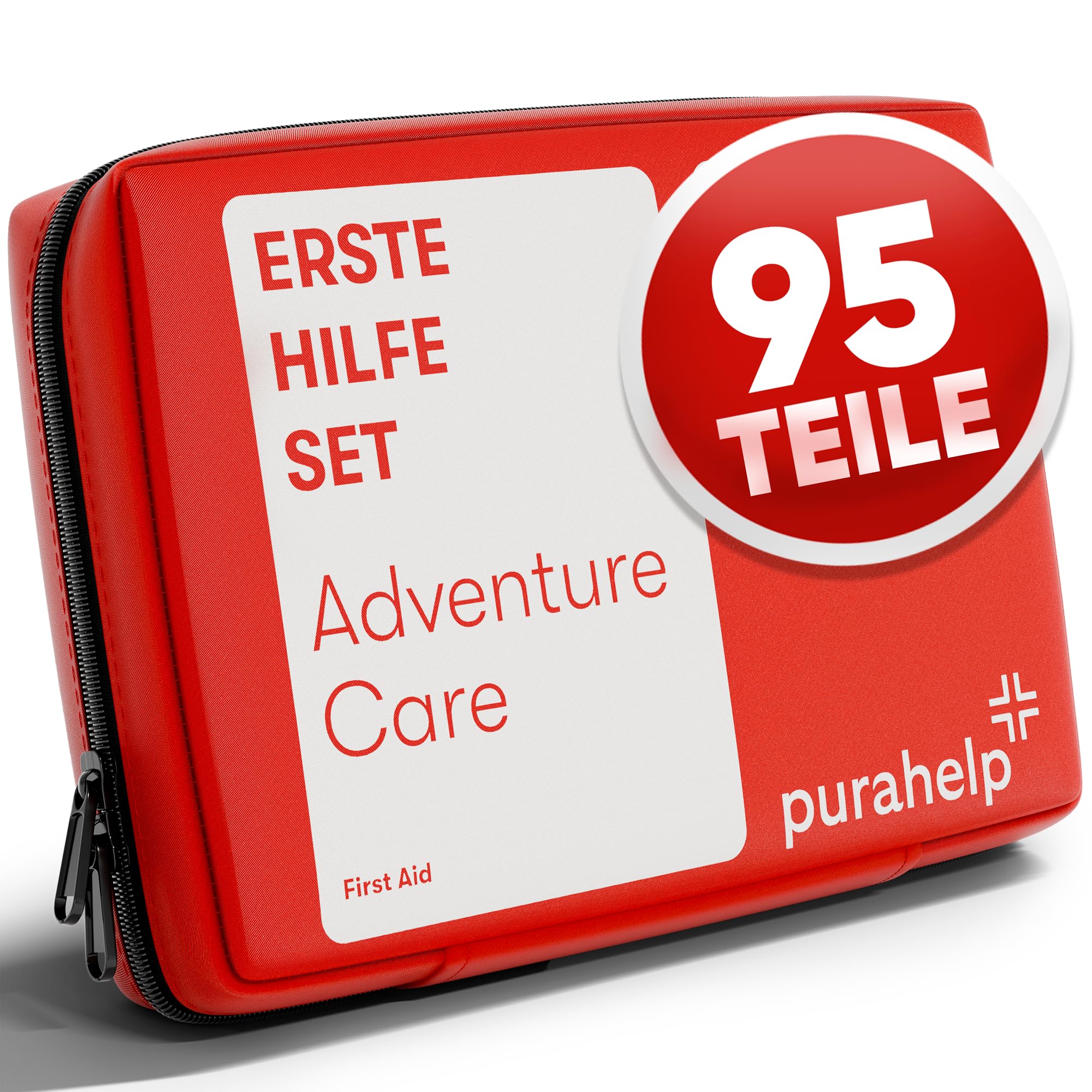
Compact First Aid Kit
A compact first aid kit for storing in a shed, truck cab or tool bag, covering the small cuts, blisters and scrapes that come with strimming and brush-cutting work.
You'll be sent to Amazon in your country. Indicative price — live, localised pricing where available. As an Amazon Associate we earn from qualifying purchases.
Pros
- Small enough to keep within reach on site rather than left indoors
- Covers the common injuries from strimming work: nicks from debris, blisters, scratches from bramble and thorn
- Zipped case keeps contents together and reasonably protected from dust and damp
Cons
- Not a substitute for a proper trauma kit if you're running a blade or saw attachment
- Contents are basic and will need topping up after a few uses
- No tourniquet or major-bleed dressing included, so it won't help with a serious cut
What it does
Brush-cutting and strimming work throws up a steady trickle of small injuries: a nick from flying stone or wire caught in the line, a blister from a few hours on the throttle, a scratch from pulling bramble or nettle out of the cutting head. None of these need a trip to A&E, but they do need cleaning and covering quickly, and that’s exactly what a compact first aid kit like this is for. It’s built around plasters in a few sizes, sterile dressings for anything bigger than a plaster will cover, wound cleaning wipes, tape and a small pair of scissors — enough to deal with the everyday knocks of outdoor work without carrying a full trauma bag. The point isn’t to replace proper safety kit like gloves, visor and chainsaw trousers; it’s to back them up for the scrapes that get through anyway.
Choosing and keeping it stocked
There’s no fitment to worry about here — the only real choice is where you keep it. A kit that lives in a drawer indoors is no use halfway down a field, so it’s worth keeping one in the vehicle, on the trailer, or clipped to a tool bag that comes out with the strimmer every time. Check it before each season: plasters and dressings have a shelf life, and a kit that’s been sitting in a damp shed for a couple of years may have tape that no longer sticks or wipes that have dried out. Topping up a few plasters and a fresh dressing after any use costs very little and means the kit is actually ready next time rather than half-empty when you need it.
Honest limitations
This is a minor-injury kit, not emergency trauma gear. It has no tourniquet, no large trauma dressing and nothing rated for a serious blade or saw injury — if you’re running a brushcutter with a metal blade or chainsaw attachment, a proper trauma kit with a tourniquet and a compression bandage is the sensible addition, not a replacement for this one. The contents are basic by design, so heavier or more frequent use will mean restocking sooner than the kit’s nominal size suggests. Treat it as the thing that handles the annoying small stuff quickly, and keep it stocked, rather than as your only line of defence against a genuine injury on site.