The best safety gear for brush cutting
A brush cutter throws debris and makes serious noise. The right protection is cheap, and it's non-negotiable. Here's the essential gear we'd wear — and a quick PPE checklist.

The best-value ear defenders for brush cutting — light, comfortable and certified, with SNR 27 dB that suits most petrol machines.
- AttenuationSNR 27 dB
- StandardEN 352-1
- TypePassive headband

Maximum hearing protection — SNR up to 35 dB for the loudest petrol machines and long, intensive sessions.
- AttenuationSNR up to 35 dB
- StandardEN 352
- TypeHigh-attenuation (headband or helmet)
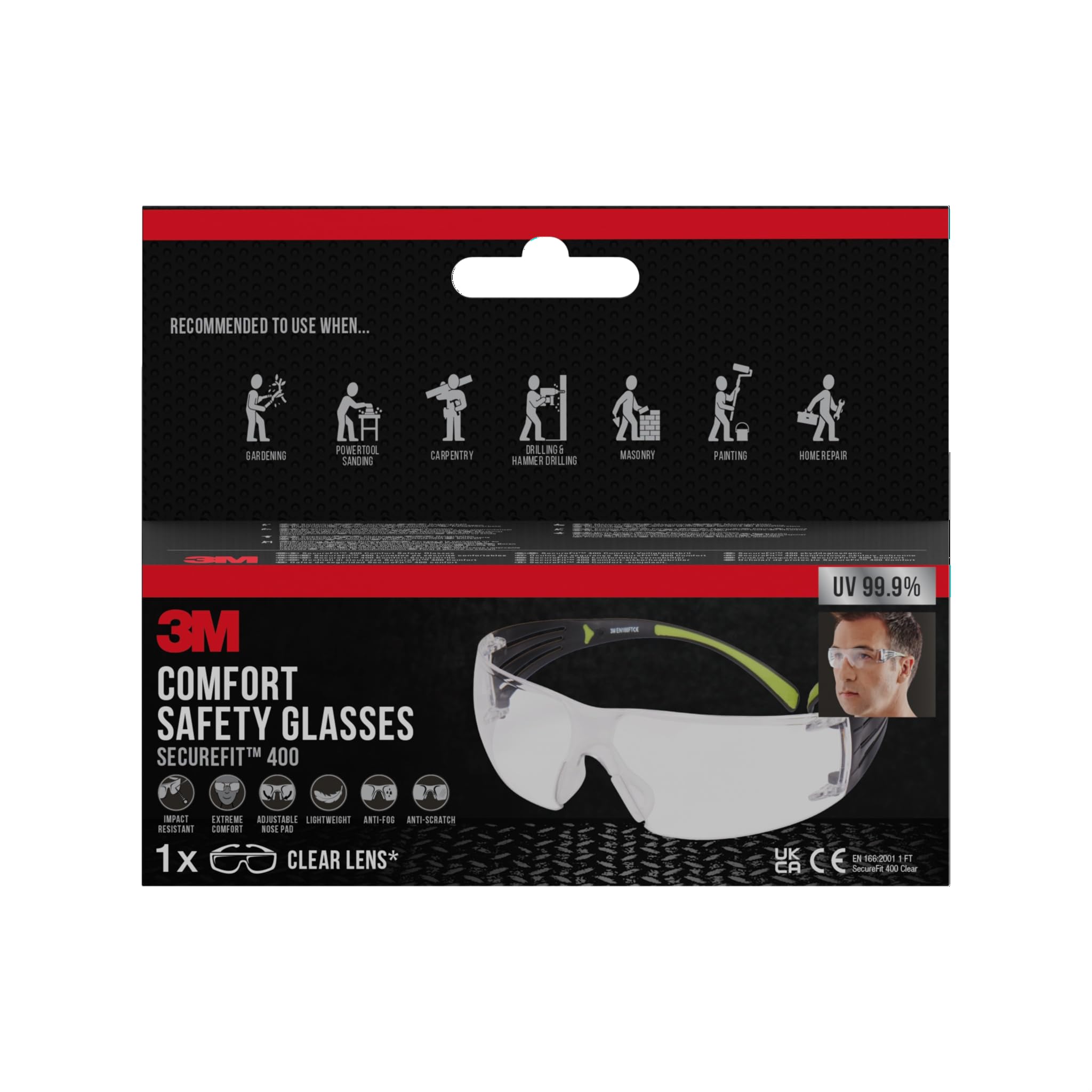
Light, anti-fog safety glasses that actually stay put — certified eye protection against thrown debris, at a very low price.
- StandardEN 166 (1F)
- CoatingAnti-fog + anti-scratch
- FitSelf-adjusting temples

Reinforced-palm work gloves with some vibration damping — grippy, protective and comfortable for brush cutting.
- StandardEN 388
- PalmFoam-reinforced for grip & damping
- UseForestry / garden work

Padded work gloves that dampen handle vibration and protect the hands, suited to anyone running a brushcutter or strimmer for more than a few minutes at a time.
- TypeAnti-vibration work gloves
- Palm materialReinforced synthetic leather with gel/foam padding
- GripTextured palm and fingers

EN381-5 Class 1 chainsaw-protective trousers with cut-resistant fabric layers, built for anyone using a brushcutter alongside a chainsaw or clearing saw.
- StandardEN 381-5, Class 1 (20 m/s)
- Protection areaType A, front of legs only
- Outer fabricRipstop polyester/cotton, water-repellent
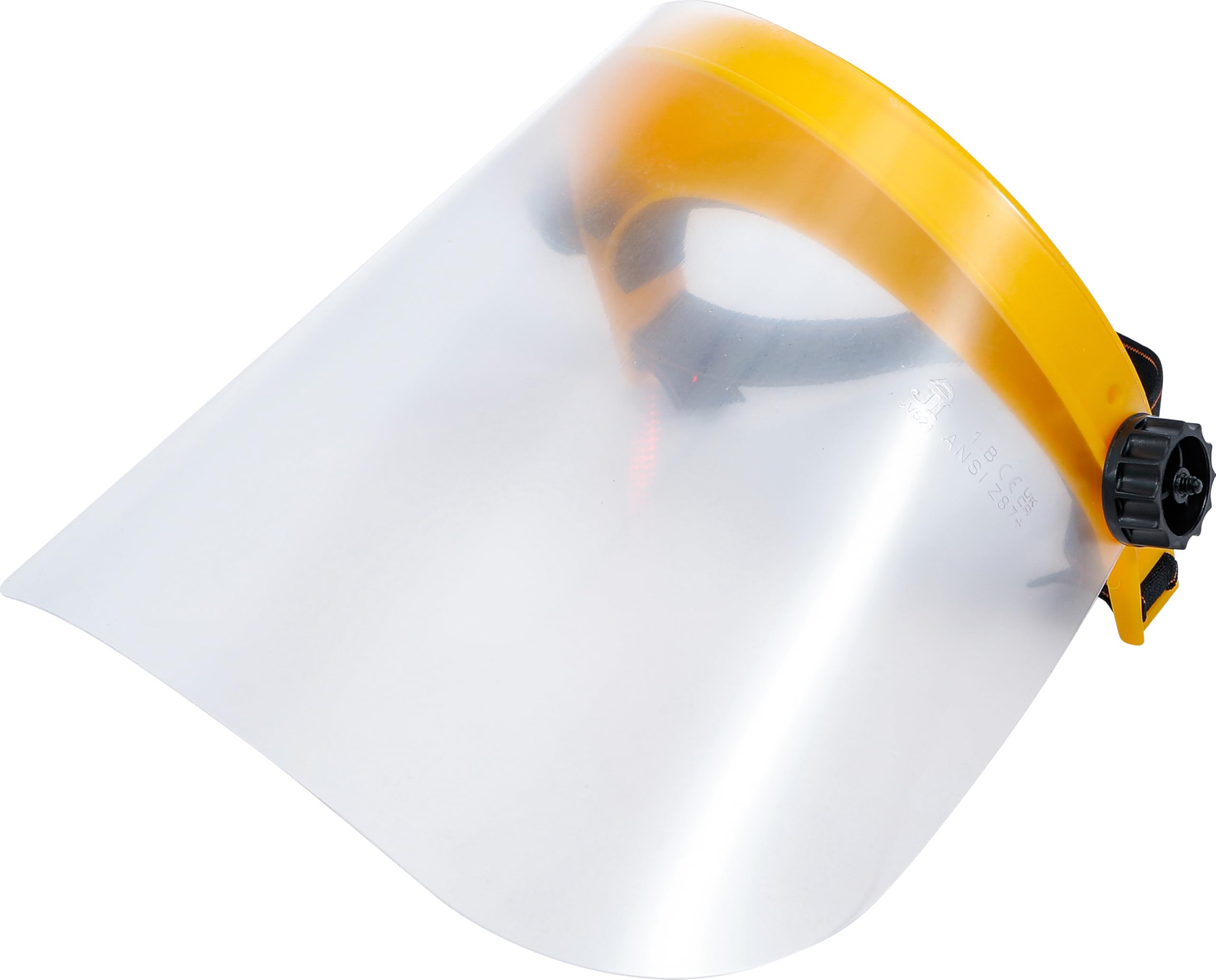
A solid, see-through polycarbonate face shield on an adjustable headband, giving full-face cover against thrown debris for brush cutter and strimmer work.
- TypeSolid clear face shield
- Visor materialClear polycarbonate
- CoverageFull face, chin to forehead
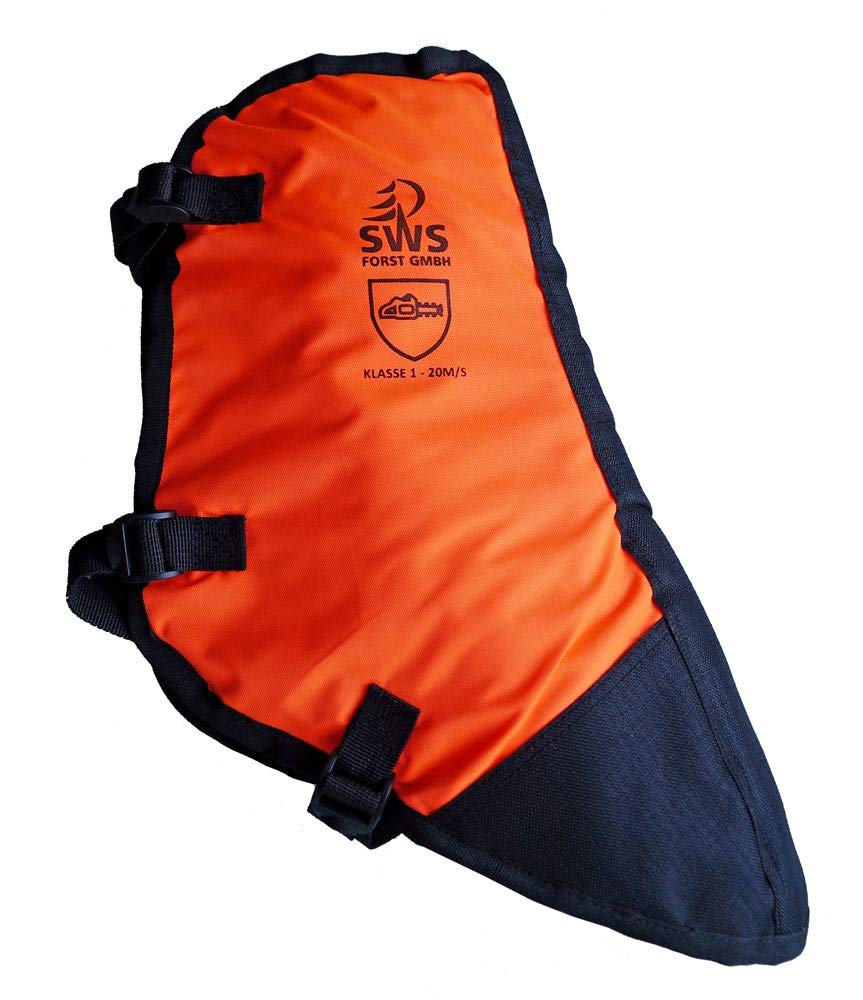
EN381-9 cut-resistant leg gaiters that strap over trousers or boots, a lightweight alternative to full chainsaw trousers for brushcutter and light clearing-saw work.
- StandardEN 381-9, Class 1 (20 m/s)
- CoverageLower leg, ankle to below knee
- Outer fabricRipstop polyester, water-repellent
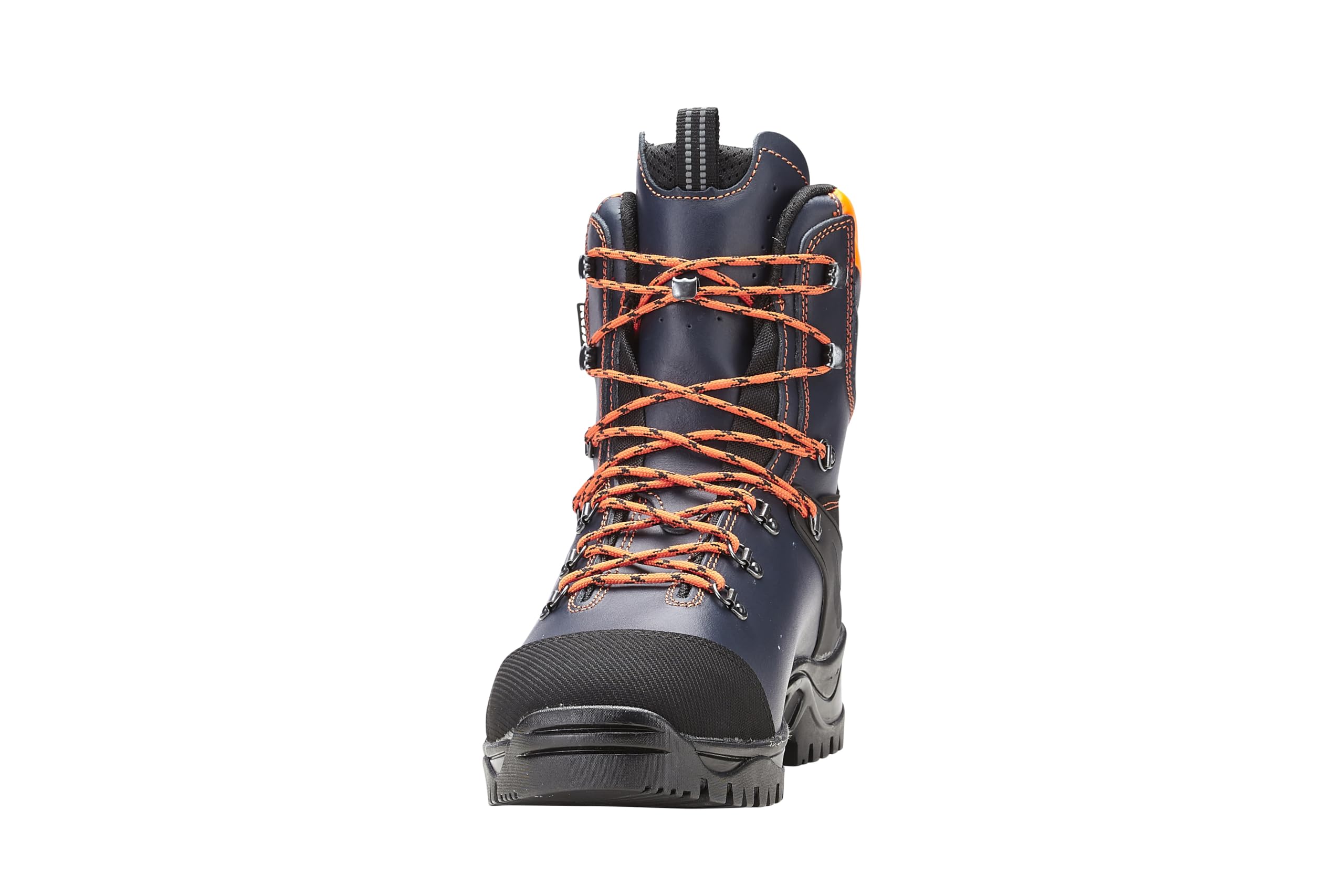
Chainsaw-rated cut-resistant safety boots with steel toe and reinforced upper, for anyone running a brushcutter alongside a chainsaw or clearing saw.
- StandardEN ISO 17249, Class 1 (20 m/s)
- Toe capSteel, impact and compression rated
- UpperReinforced cut-resistant fabric/leather
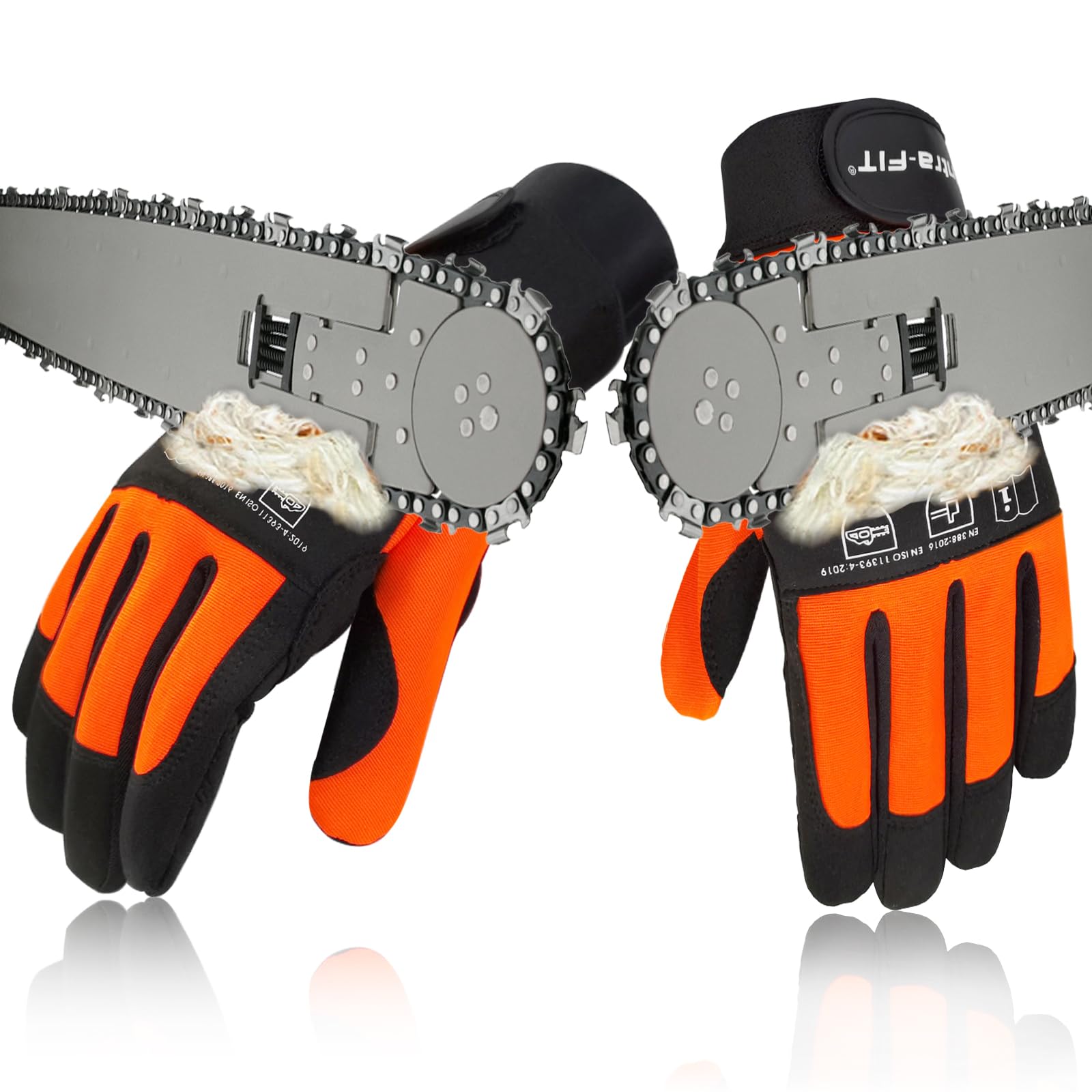
Cut-resistant safety gloves with a reinforced back-of-hand layer, for brushcutter and chainsaw users who want genuine hand protection, not just work gloves.
- StandardEN 388 / chainsaw-tested left hand
- ProtectionReinforced back-of-hand cut layer
- PalmTextured grip, reinforced fingers
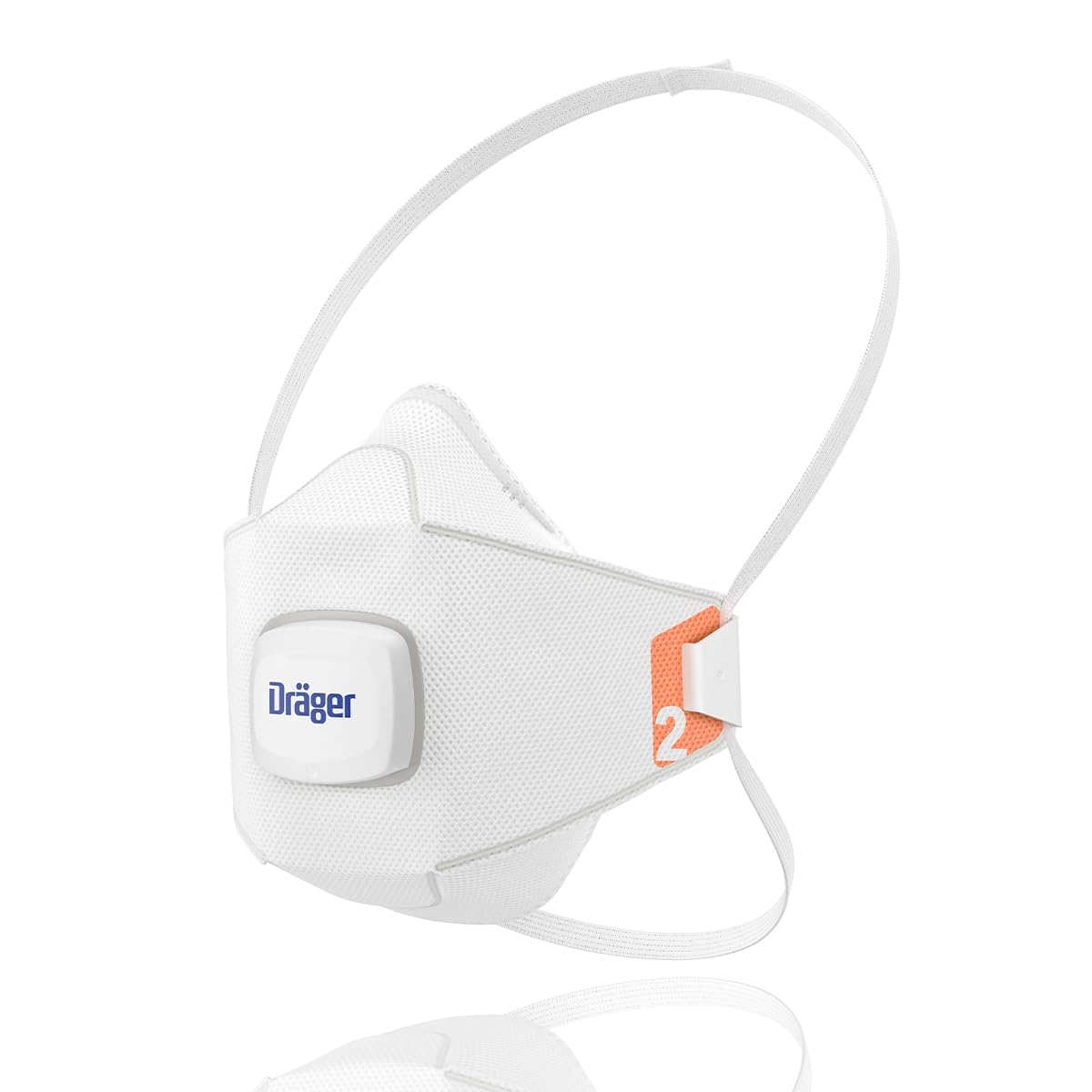
An FFP2-rated dust mask that filters fine airborne particles, dried plant matter and pollen for anyone strimming or brush-cutting in dry, dusty conditions.
- TypeDisposable FFP2 particulate mask
- StandardEN 149 FFP2
- FiltrationFilters at least 94% of airborne particles

A compact first aid kit for storing in a shed, truck cab or tool bag, covering the small cuts, blisters and scrapes that come with strimming and brush-cutting work.
- TypeCompact zipped first aid pouch
- ContentsPlasters, sterile dressings, tape, wound wipes, scissors
- CaseWater-resistant zipped soft case
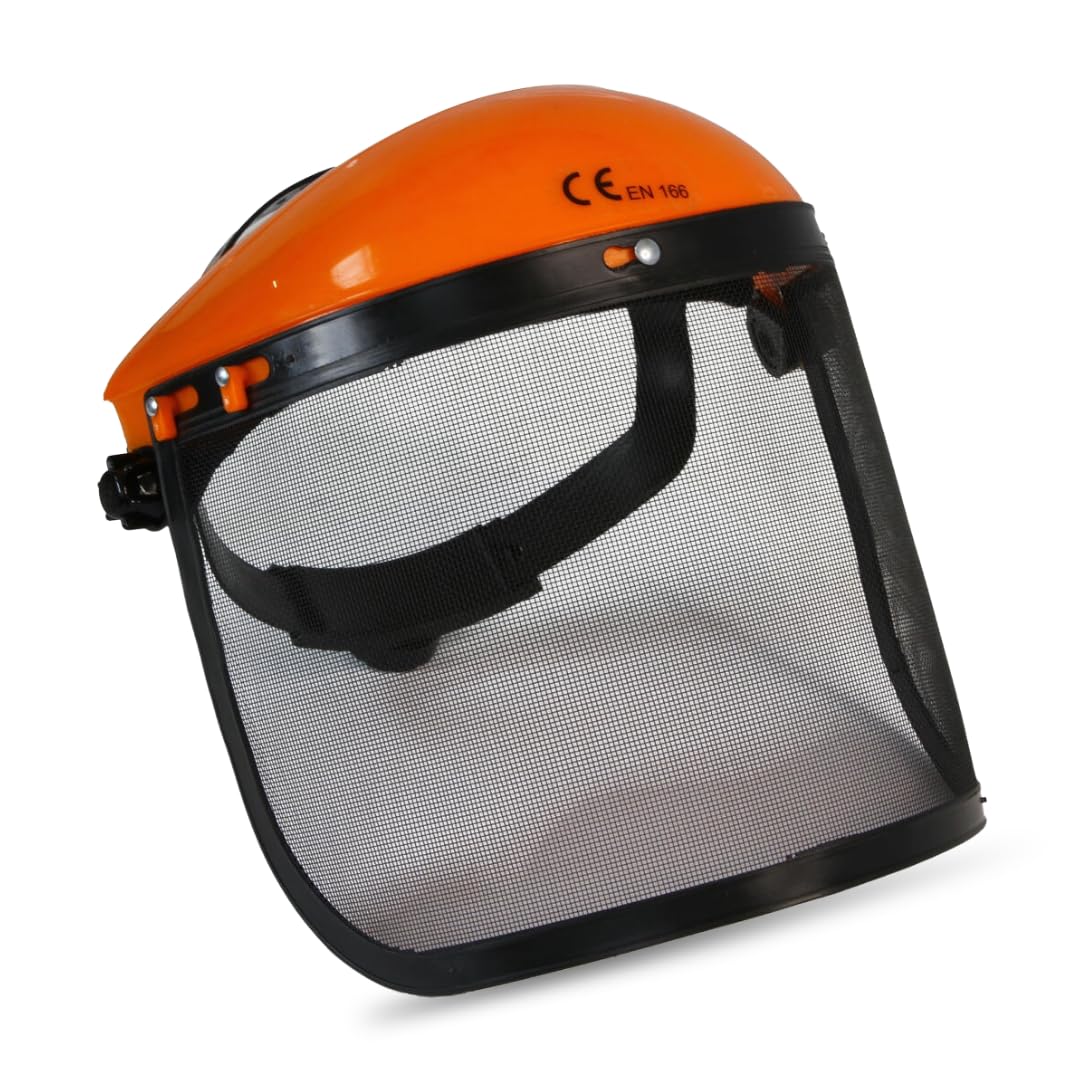
A steel mesh face visor on an adjustable headband that flips up out of the way between cuts, for anyone using a brush cutter, strimmer or hedge trimmer.
- TypeFlip-up mesh face visor
- Visor materialPerforated steel mesh
- MovementHinged, flips up to rest position
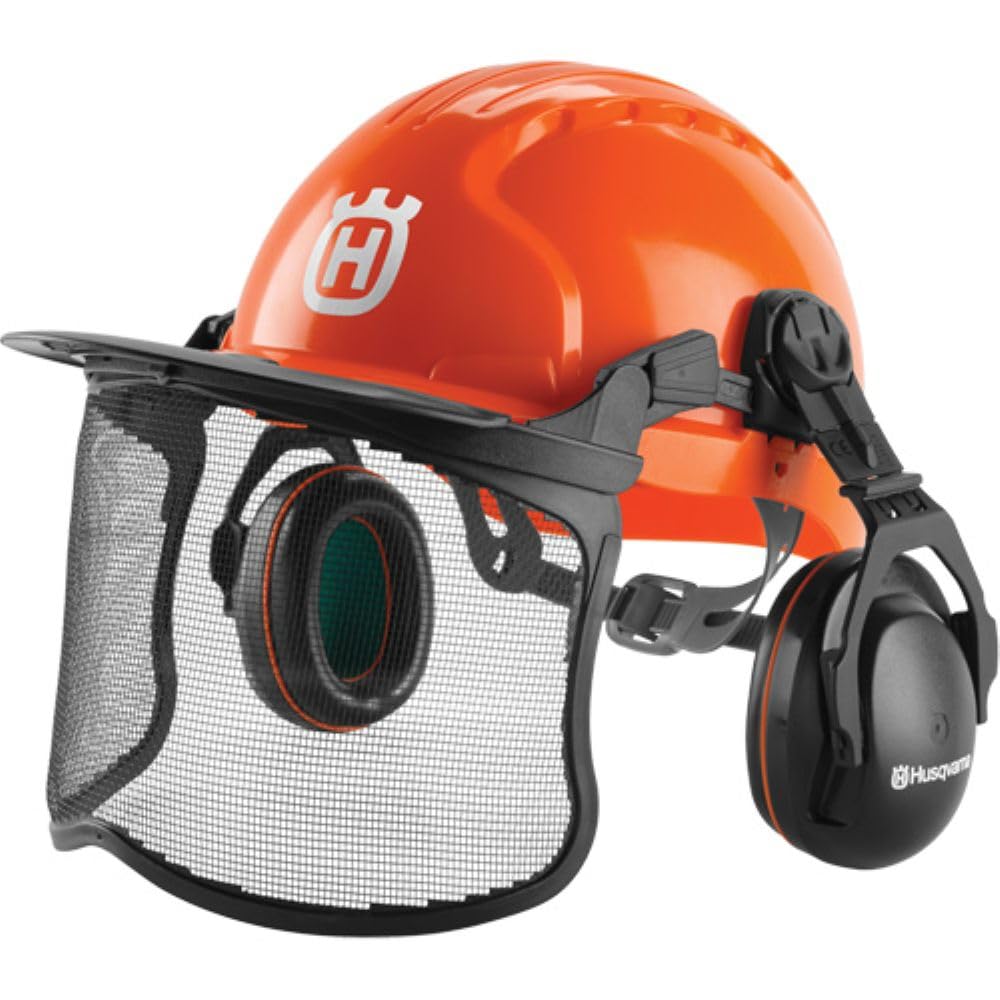
An EN-certified helmet, visor and ear defender combination built for brushcutter and chainsaw work, giving head, face and hearing protection in one fitted unit.
- TypeHelmet, mesh visor and ear defenders combo
- Helmet standardEN 397
- Visor standardEN 1731

An entry-level forestry helmet with mesh visor and ear defenders in one unit, giving budget-conscious brushcutter and strimmer users head, face and hearing protection together.
- TypeHelmet, mesh visor and ear defenders combo
- Helmet standardEN 397
- Visor standardEN 1731

A fluorescent, weatherproof outer jacket with reflective bands that keeps brushcutter and strimmer users visible and dry during long sessions outdoors.
- TypeHi-vis outer jacket, weatherproof shell
- ColourFluorescent orange or yellow
- Reflective bandsBands on chest, back and sleeves
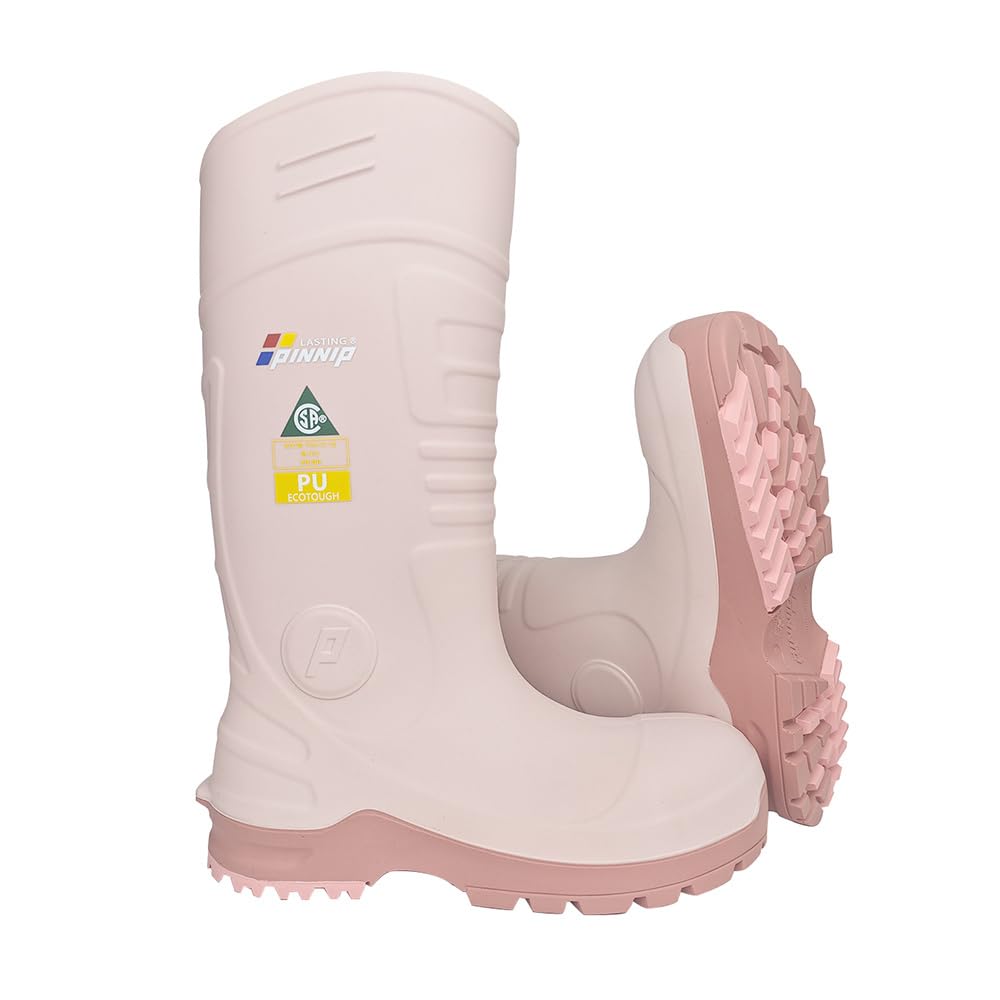
Waterproof rubber safety wellingtons with chainsaw-rated cut protection and steel toe, built for wet ground work with a brushcutter or saw.
- StandardEN ISO 17249, Class 1 (20 m/s)
- Toe capSteel, impact and compression rated
- UpperMoulded rubber, fully waterproof

A lightweight fluorescent vest with reflective bands that keeps you visible to others when brush-cutting near roads, tracks or in busy gardens.
- TypeSleeveless hi-vis vest, worn over clothing
- ColourFluorescent yellow or orange
- Reflective bandsTwo horizontal bands, front and back
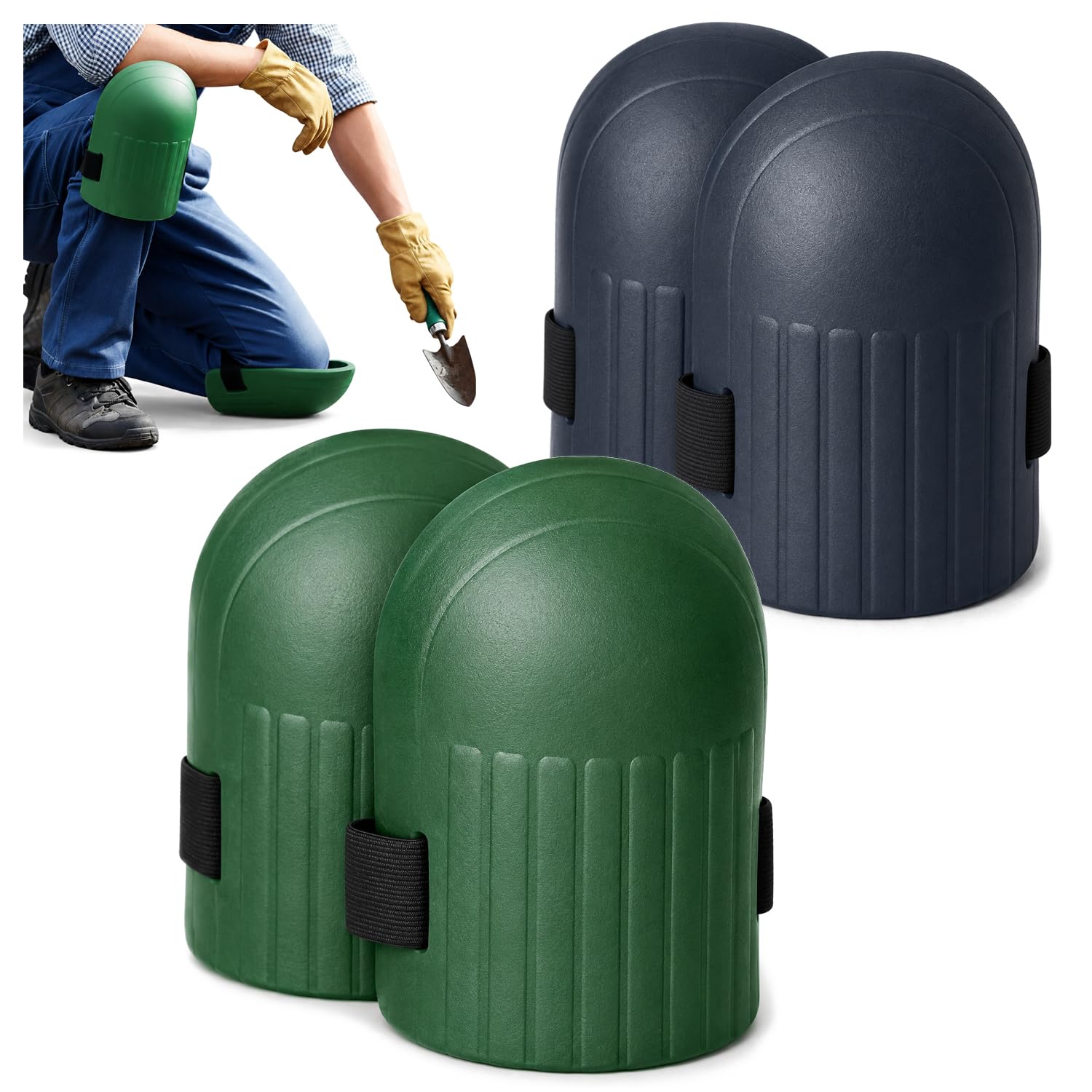
Padded knee pads that cushion kneeling work when clearing low brush, edging or maintaining a brushcutter close to the ground, suited to anyone spending time on their knees in the garden.
- TypeFoam gardening knee pads
- PaddingEVA or gel foam pad, several centimetres thick
- Outer materialNeoprene or reinforced fabric shell

Sturdy full-leather work gloves that shield hands from thorns, sharp foliage and rough handling, suited to anyone doing general garden and brush-clearing work.
- TypeLeather work/gardening gloves
- MaterialCowhide or split leather palm and back
- GripNatural leather grip, no coating
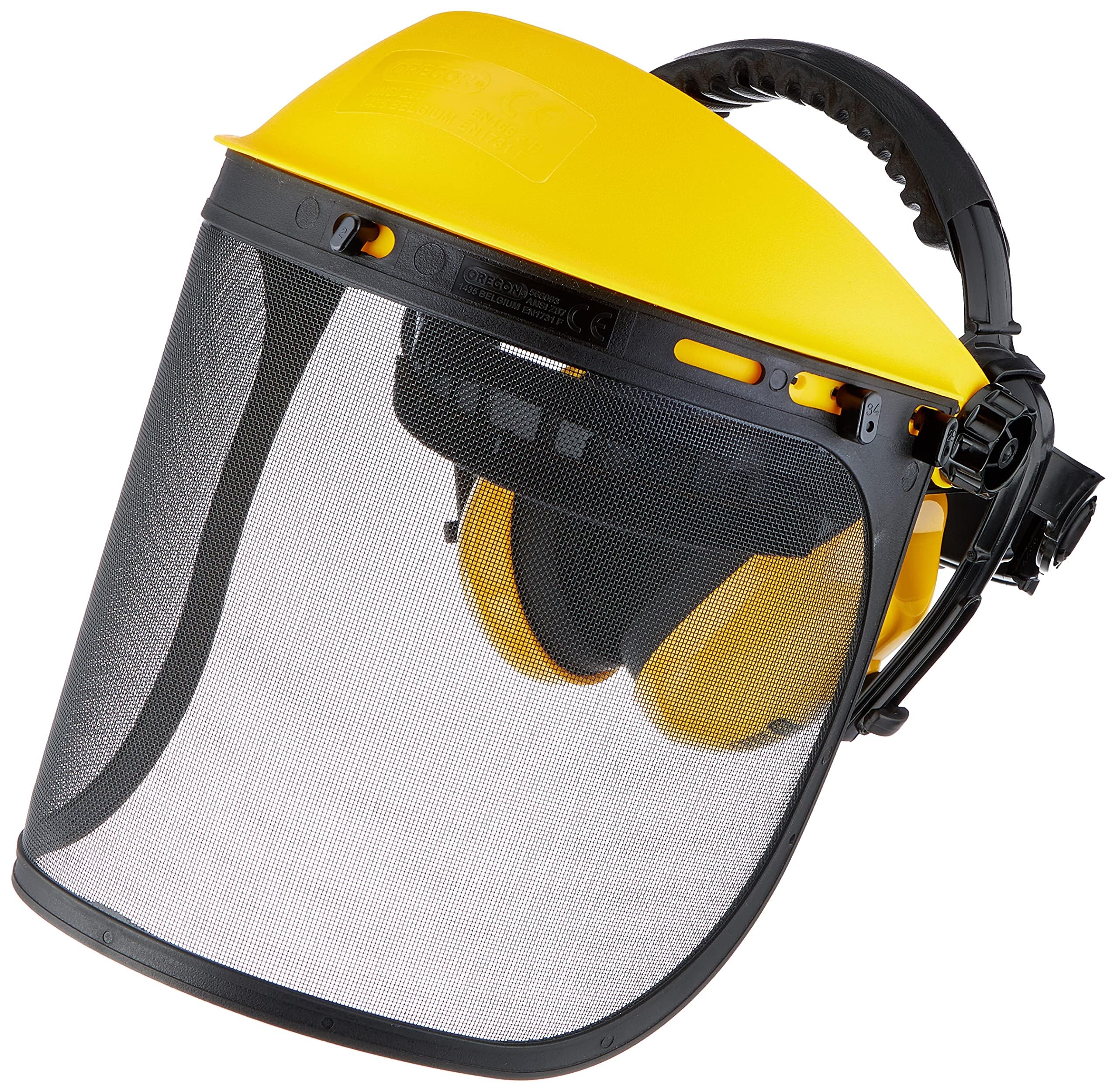
A combined mesh face visor and ear defender set on one headband, protecting against thrown debris and engine noise for brush cutter and strimmer users.
- TypeMesh visor + ear defenders (combo)
- Visor materialSteel mesh
- Noise reductionTypically SNR ~25-27 dB
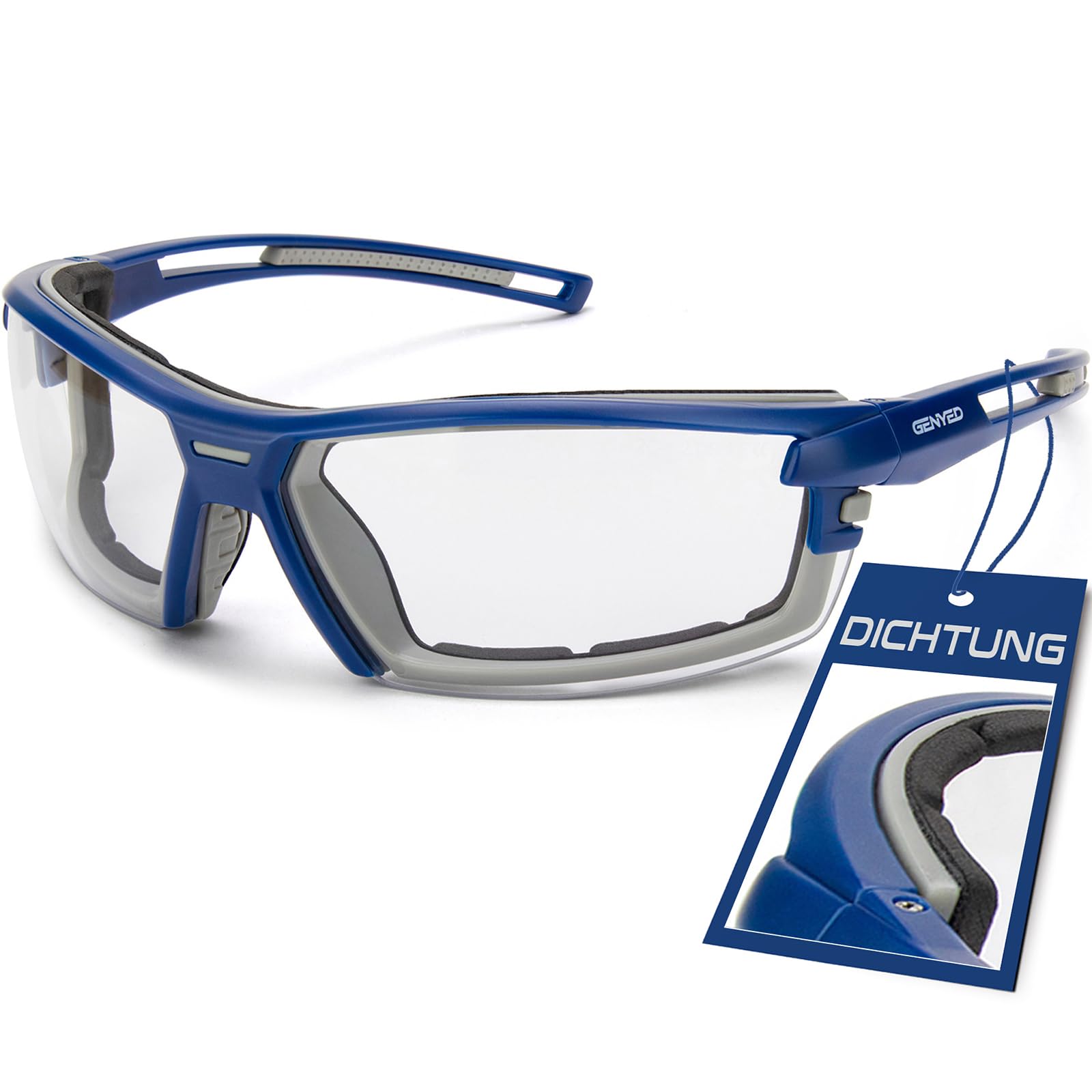
Enclosed, ventilated safety goggles certified to EN166 for full eye protection against thrown debris, dust and stones.
- StandardEN 166
- TypeEnclosed goggle, not open-frame glasses
- LensClear polycarbonate
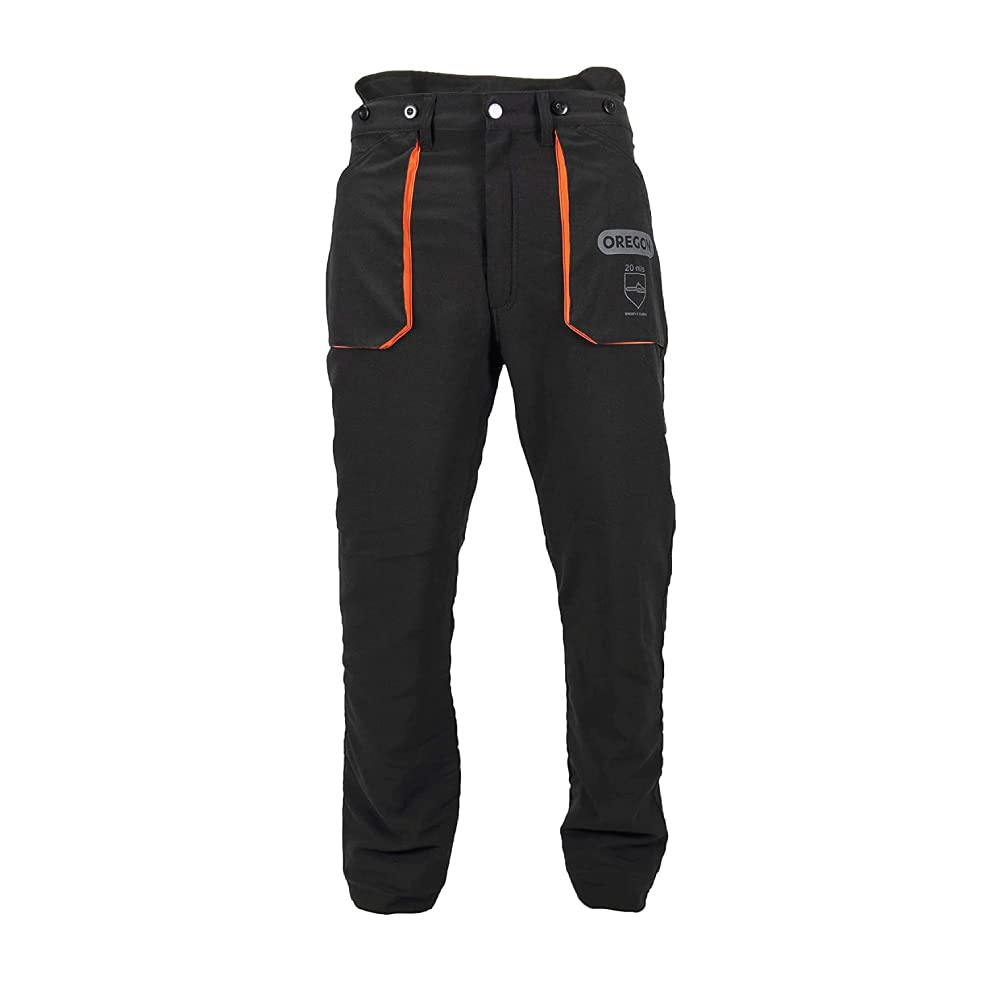
EN381-5 Type A chainsaw-protective trousers with front-of-leg cut-stop padding, suited to brushcutter and light chainsaw users who want genuine leg protection.
- TypeEN 381-5, Type A
- Protection areaFront of legs only
- Outer fabricDurable ripstop, water-repellent
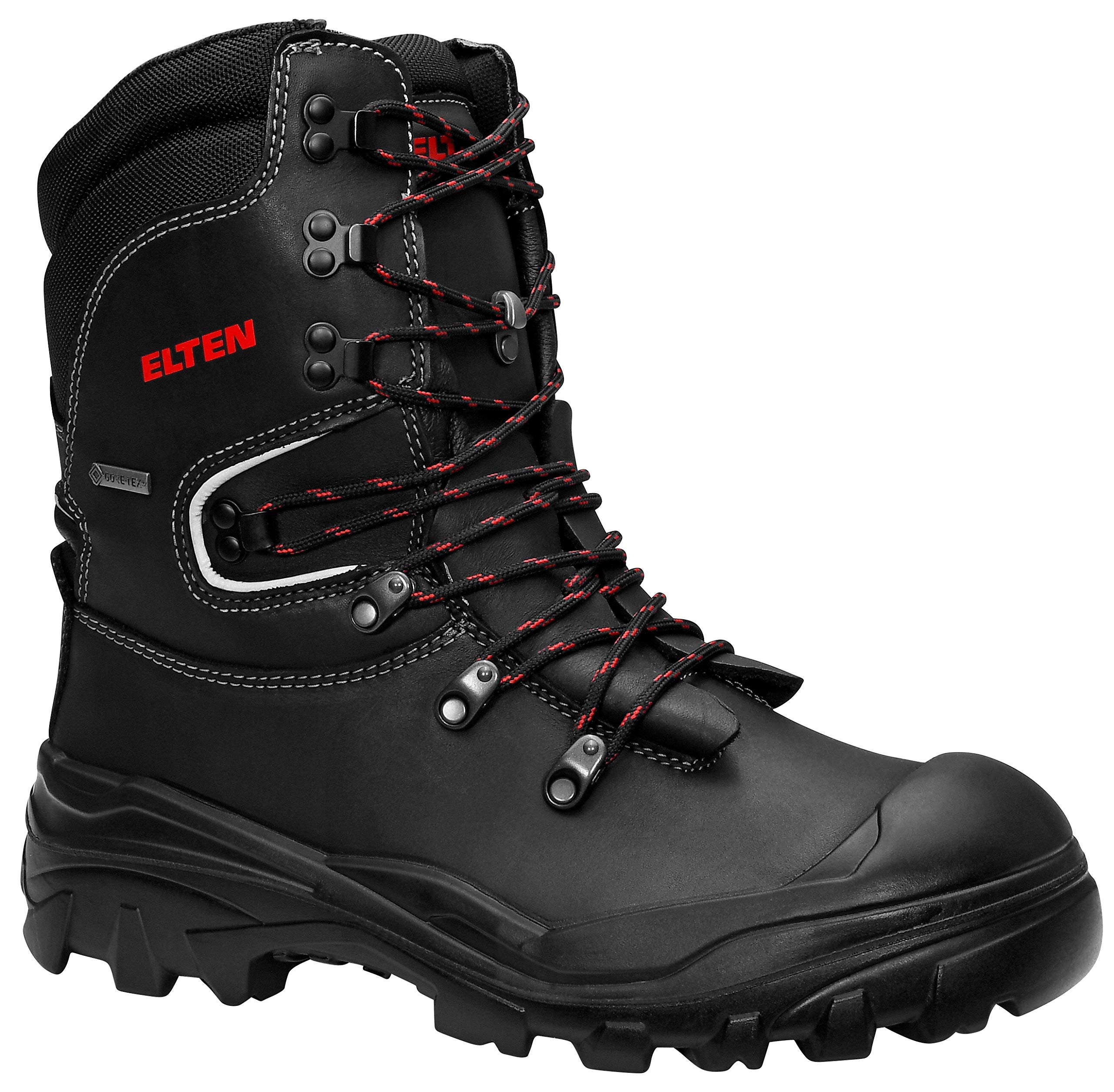
S3-rated steel-toe safety boots with waterproof leather and a cleated sole, built for standing all day on rough, wet ground with a brush cutter.
- StandardEN ISO 20345 S3
- Toe capSteel, impact and compression rated
- MidsolePenetration-resistant
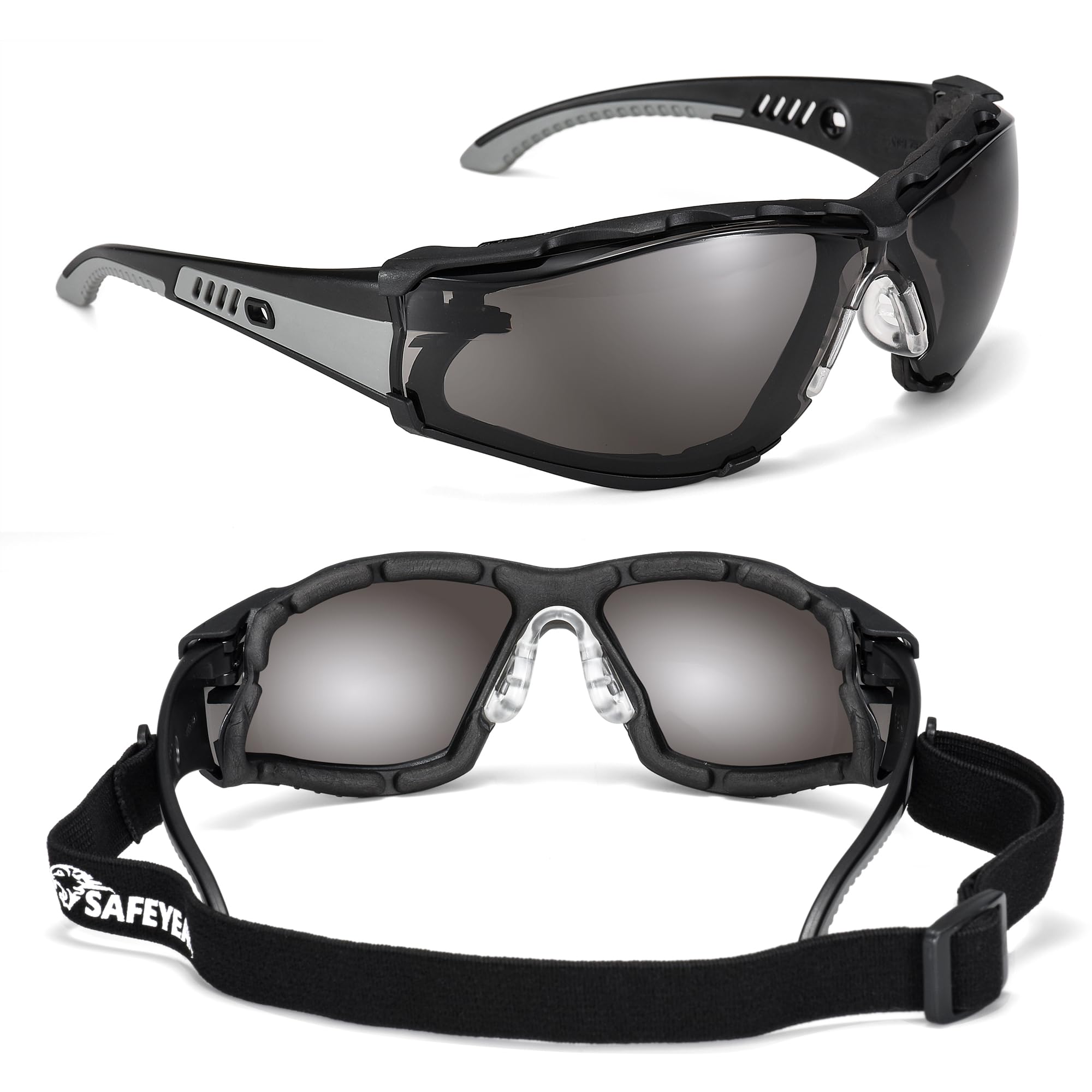
Open-frame tinted safety glasses that cut glare and UV on bright days while still meeting basic impact protection standards.
- StandardEN 166 impact rated
- TypeOpen-frame wraparound glasses, not enclosed goggles
- LensTinted/smoke polycarbonate
The PPE checklist
Before you start a brush cutter, wear:
- Eye protection — certified safety glasses (EN 166), or a face shield for blade work.
- Ear defenders — SNR 27 dB or more for petrol machines (EN 352).
- Gloves — reinforced palms for grip and reduced vibration.
- Sturdy boots and long trousers — cut-resistant trousers for blade work.
Start with eyes and ears
If you buy nothing else, buy eye protection and ear defenders — they guard against the two most common and serious risks (thrown debris and hearing damage), and they cost very little. Add gloves and, for blade work, a face shield and cut-resistant trousers. See our buying guide for safe-working tips.
Frequently asked questions
What safety gear do I need for a brush cutter?
At minimum: certified eye protection (EN 166), ear defenders (EN 352), sturdy gloves and strong boots with long trousers — ideally cut-resistant for blade work. A face shield and helmet are recommended for heavy clearing.
How loud is a brush cutter?
Petrol brush cutters typically produce 95–105 dB — well above the level that damages hearing over time. Ear defenders (SNR 27 dB+) are essential; battery machines are quieter but still worth protecting against.
Do I need eye protection with a line trimmer?
Yes — even nylon line throws stones, grit and debris at high speed. Certified safety glasses (EN 166) are the single most important, cheapest piece of protection you can wear.
What about cut-resistant trousers?
For blade work, especially clearing brambles and saplings, cut-resistant trousers add valuable protection. They're strongly recommended for anyone using a metal blade regularly.
The tool we recommend
Found your model? Buy it at the right price.
UniverTrack tracks the real price of your brush cutter across retailers, spots fake discounts and tells you when it's genuinely the right moment to buy — with an AI assistant to guide you.
- Real price history
- Buy-now alerts
- AI buying assistant
No commitment · Cancel in 1 click · 5 languages
Which one for which need
A complete set of equipment
Visor, hearing protection, gloves and covered legs form a whole. One missing element leaves the most exposed part of the body unprotected.
The immediate essentials
A visor and hearing protection cover the two most immediate risks and cost little.
Who each type suits
- Working with line
- Line throws gravel and fragments at high speed and several metres. Face and leg protection is the minimum.
- Working with a blade
- The risk changes in nature: thrust of the machine and heavy material thrown. Leg protection and reinforced boots take on their full meaning.
- Neighbours
- Thrown objects do not stop at the property line. Clearing the area and keeping people away is part of the preparation.
The trade-offs to weigh
- Protection against actually being worn
- Uncomfortable equipment ends up taken off after ten minutes. The best protection is the one you keep on for the whole session.
- Mesh visor against solid screen
- Mesh ventilates and does not fog, and lets the finest fragments through. A solid screen stops everything and fogs up.
- Heat against coverage
- Working covered up in high summer is unpleasant and remains the only protection against thrown objects. Choosing breathable fabrics is more useful than uncovering.
Questions buyers ask
How far does a brushcutter throw things?
Line or a blade throws gravel and fragments several metres, well beyond the working area. That is why nobody should be nearby.
Should the area be inspected before starting?
Every time: stones, wire, pieces of glass and rubbish become projectiles. Five minutes of checking avoids most incidents.
Is a mesh visor enough?
It stops the larger thrown objects and lets fine particles through. Glasses worn underneath usefully complete it.
Do I need leg protection?
With line, thrown objects hit the legs first. With a blade, the issue becomes direct contact, and suitable protection exists.
Can I work in shorts in summer?
The legs receive almost everything that is thrown. Trousers in a breathable fabric remain far preferable.
What footwear should I wear?
Closed, ankle-high and with a non-slip sole, never light shoes. Sloping, damp ground adds a risk of falling.
Should I work alone?
On isolated ground, telling someone and keeping a phone on you is an elementary precaution.
How do I reduce fatigue and therefore the risk?
A well-adjusted harness, breaks and a maintained machine. Most dangerous actions happen at the end of a session, when vigilance drops.
What to remember
Inspect the area before starting: stones, wire and glass become projectiles over several metres. The best protection is the one you keep on for the whole session — and most dangerous actions happen at the end of a session, when vigilance drops.