The best brush cutters for vineyards
Vineyard rows reward control over power: a light, precise machine that won't nick a trunk or a drip line, with a blade only for mid-row growth.
In short:Vineyards need light, precise machines for constant start-stop work along rows. The Makita DUR368LZ (3.2 kg bare, three speeds) and DUR190LZX3 (2.7–3.0 kg with battery, plastic and metal blade options) are precise cordless picks; the Stihl FS 70 C-E (0.9 kW, ErgoStart) and Husqvarna 129R (0.85 kW, 5.4 kg, double harness) are light petrol options for larger plots; the Einhell Agillo 36/255 and Ryobi RBC36X26B add 3-tooth blades for mid-row growth. Use line near trunks and irrigation.
Our picks, ranked
- 1
- 2
- 3
- 4
- 5
- 6




Precision along the row
Vineyard work is stop-start: trimming under each vine, around posts and along drip lines, then moving on. That rewards a light, balanced machine with speed control and a line head that won’t bite into trunks.
Our picks
- Makita DUR368LZ — twin-18V, loop handle, three speeds, ADT; 3.2 kg bare.
- Makita DUR190LZX3 — one LXT battery, 2.7–3.0 kg with battery, brake and reverse switch; plastic blades supplied.
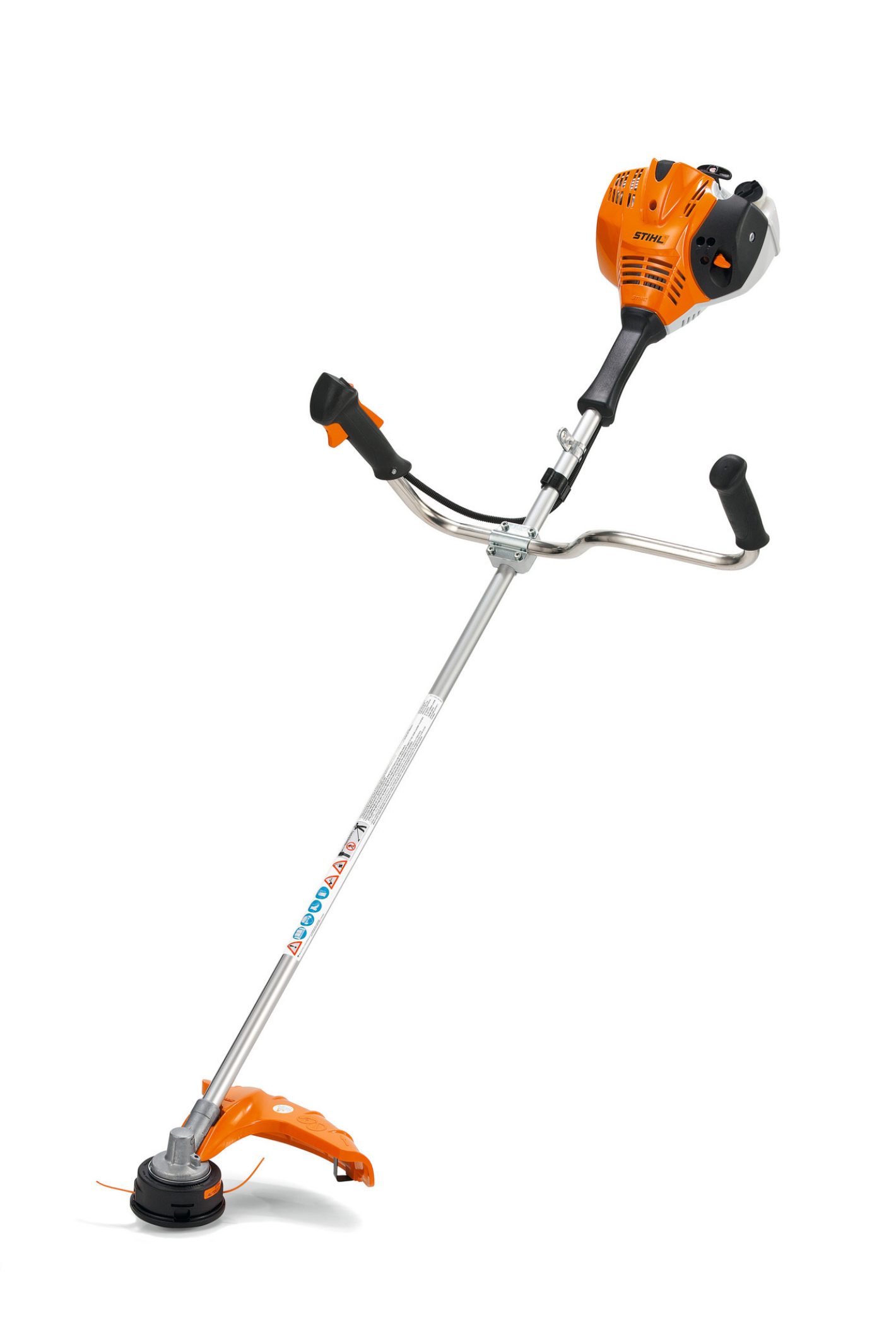
- Stihl FS 70 C-E — 0.9 kW, ErgoStart; AutoCut line head, blade optional.
- Husqvarna 129R — 0.85 kW, 43 cm cut, 5.4 kg without cutting gear, double harness.
- Einhell Agillo 36/255 — twin-18V brushless, 3-tooth blade and line spool, split shaft.
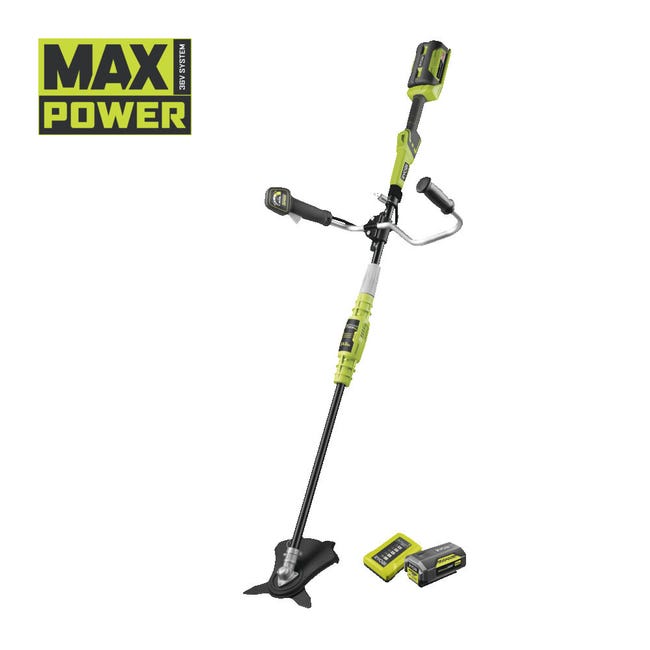
- Ryobi RBC36X26B — kit with 26 cm 3-tooth blade and 4.0 Ah battery.
Under-vine technique
Approach each vine with the head tilted away from the trunk and the line just touching the grass. A reverse switch (Makita) helps throw off grass wrapped around the head. Mark drip lines and avoid cutting near them. Protect young vines with guards. A plant guard or bar on some trimmers helps keep the line off stems.
Between the rows
For the alleys, a wider cut and a blade for tougher growth saves time. Many growers use a mower or wheeled trimmer-mower between rows and a light trimmer under the vines. Related: the best brush cutters for orchards.
Our picks at a glance
| Model | Type | Engine / power | Weight | Rating |
|---|---|---|---|---|
| Makita DUR368LZ | Cordless | 36V LXT · Brushless | 3.2 kg (Amazon item weight, bare) | 8.4 / 10 |
| Makita DUR190LZX3 | Cordless | 18V LXT · Brushless | 2.7–3.0 kg with battery (Makita UK) | 7.9 / 10 |
| Stihl FS 70 C-E | Petrol | 27.2 cc · ErgoStart | 5.4 kg (without fuel and cutting tool) | 8.4 / 10 |
| Husqvarna 129R | Petrol | 27.6 cc · 2-stroke | 5.4 kg excl. cutting equipment | 8 / 10 |
| Einhell Agillo 36/255 BL | Cordless | 36V Power X-Change · Brushless | 6.09 kg (Amazon.co.uk item weight) | 8.2 / 10 |
| Ryobi RBC36X26B | Cordless | 36V MAX Power | 3.7 kg bare; 4.6–5.1 kg with battery | 8.1 / 10 |
Weights are as stated by the maker, UK retailers or Amazon, so some include a battery or cutting gear and others don't — see each review for details.
Compare our picks head to head
Frequently asked questions
Line or blade between vine rows?
Line close to trunks, posts and irrigation lines — it flicks off contact. Use a blade only for mid-row growth well away from the vines.
Cordless or petrol for a vineyard?
Cordless suits smaller vineyards with frequent starts and stops — instant on and off and no fumes. For long days on larger plots, petrol with a harness.
How much does weight matter?
A lot. Vineyard work means constant turning and repositioning, so a machine of about 3 kg saves far more effort than on open ground.