The best brush cutters for large gardens & big plots
On a big plot, runtime, cut width and comfort matter most — you don't want to stop every 20 minutes. These machines are built to keep going across serious ground.
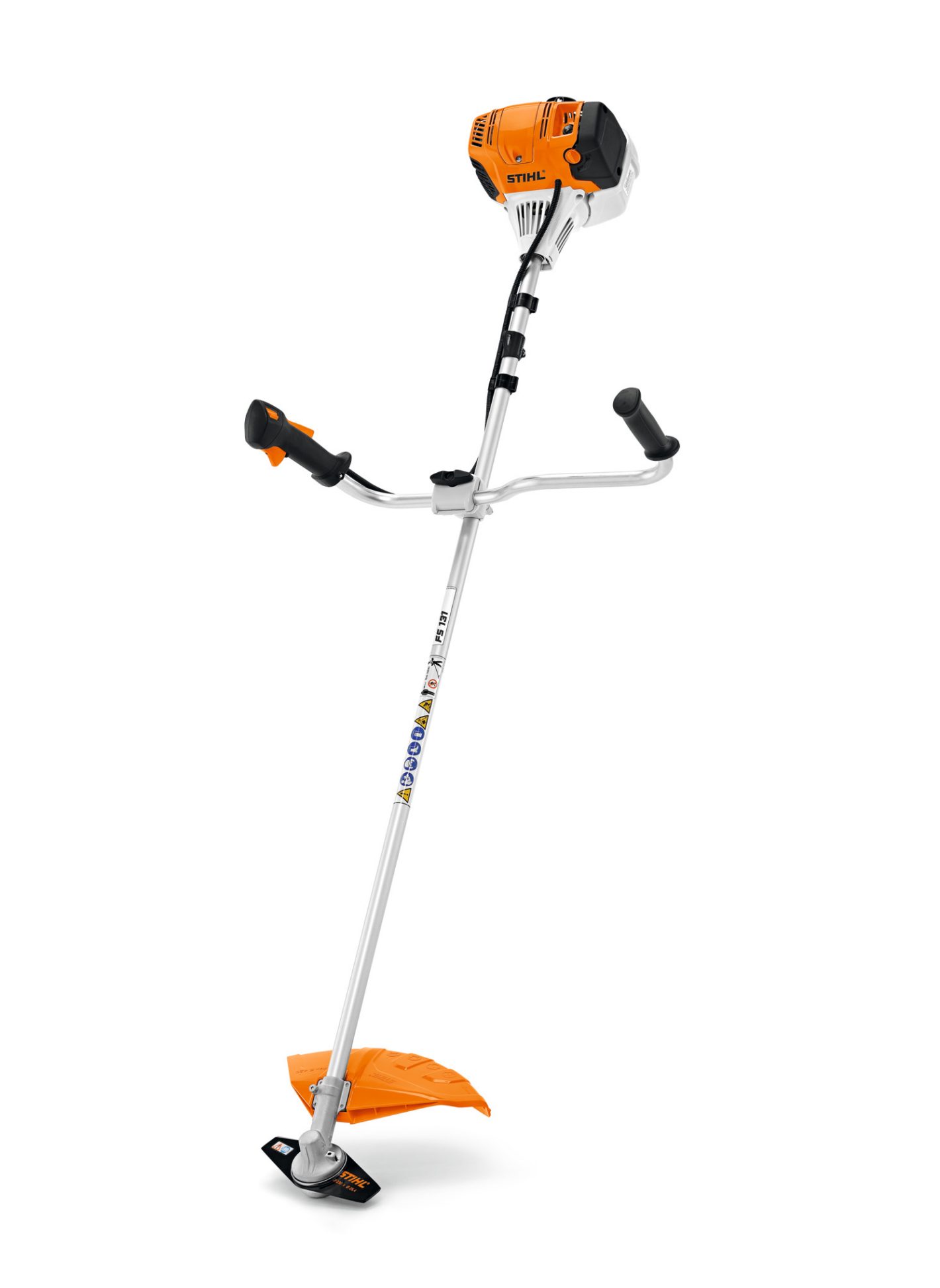
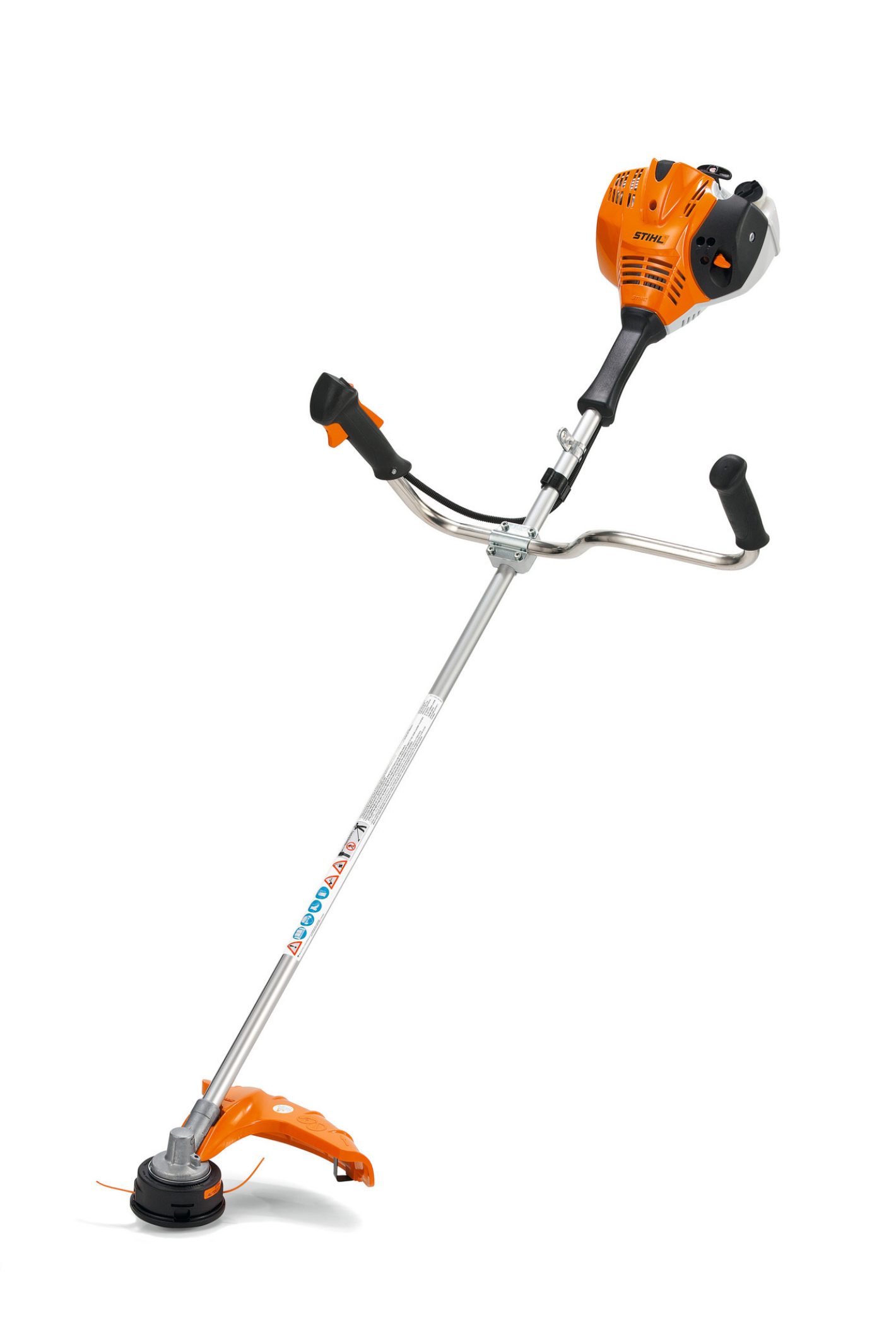
In short:For large gardens, choose a machine with a wide cut, a bike handle and the runtime for long sessions. Petrol leads: the Stihl FS 131 (1.4 kW, 5.8 kg, 0.71 L tank), Stihl FS 70 C-E (0.9 kW, ErgoStart), Stiga BC 545 B (1.25 kW, 45 cm cut, double harness) and Husqvarna 129R (0.85 kW, 43 cm cut, 5.4 kg) suit big plots, and the 52 cc Fuxtec FX-MS152 handles overgrowth on a budget. For cordless, the twin-18V Makita DUR369AZ cuts 430 mm with spare LXT batteries.
Our picks, ranked
- 1
- 2
- 3
- 4
- 5
- 6


Why runtime and width rule on big plots
The bigger the plot, the more a battery’s runtime and a narrow cut slow you down. That’s why petrol with a wide head is the traditional choice for large gardens and paddocks. Cordless can work too, with a twin-battery machine and spare packs.
Our picks
- Stihl FS 131 — 1.4 kW 4-MIX, 42 cm line cut, 0.71 L tank and only 5.8 kg without guard or tool. The pick for big plots with tough patches.
- Stihl FS 70 C-E — 0.9 kW, ErgoStart and a bike handle; a lighter all-rounder for big, mostly grassy gardens.
- Stiga BC 545 B — 1.25 kW, 45 cm cut, 3T blade, Tap&Go head and double harness in the box.
- Makita DUR369AZ — twin-18V brushless, 430 mm line cut and 255 mm blade; quiet, with spare LXT batteries for long sessions.
- Husqvarna 129R — 0.85 kW, 43 cm cut, 5.4 kg without cutting gear, with a grass blade and double harness.
- Fuxtec FX-MS152 — 52 cc, 2.95 hp, for overgrown corners on a budget.
Plan the job
Work in strips across the plot, keeping the cut material falling onto ground you’ve already cleared. Use the line head on open grass and switch to a blade for tough corners. On long sessions, a double harness and a machine with low vibration make the difference between a morning’s work and a sore back.
Comfort matters over hours
Set the harness so the head floats just above the ground (how to adjust a harness), take regular breaks, and wear ear defenders — petrol machines are loud (hearing protection). For more help choosing, see our buying guide.
Our picks at a glance
| Model | Type | Engine / power | Weight | Rating |
|---|---|---|---|---|
| Stihl FS 131 | Petrol | 36.3 cc · 4-MIX | 5.8 kg (without guard and cutting tool) | 8.7 / 10 |
| Stihl FS 70 C-E | Petrol | 27.2 cc · ErgoStart | 5.4 kg (without fuel and cutting tool) | 8.4 / 10 |
| Stiga BC 545 B | Petrol | 42.7 cc · 2-stroke | — | 8 / 10 |
| Makita DUR369AZ | Cordless | 36V LXT · Brushless | 5.9–6.3 kg (retailers) | 8.6 / 10 |
| Husqvarna 129R | Petrol | 27.6 cc · 2-stroke | 5.4 kg excl. cutting equipment | 8 / 10 |
| Fuxtec FX-MS152 | Petrol | 52 cc · 2-stroke | — | 8 / 10 |
Weights are as stated by the maker, UK retailers or Amazon, so some include a battery or cutting gear and others don't — see each review for details.
Compare our picks head to head
Frequently asked questions
Is petrol or battery better for a large garden?
Petrol usually wins on runtime — refuel in seconds and keep cutting. A twin-battery cordless like the Makita DUR369AZ works if you rotate spare batteries, which adds cost.
How wide a cut do I need?
On open ground, a wider swath saves passes: 43 cm for the Husqvarna 129R, 45 cm for the Stiga BC 545 B, 430 mm for the Makita DUR369AZ.
What engine size for a large plot?
For large, grassy plots, 0.8–1 kW is plenty; for brambles or neglected corners, 1.2 kW and up, such as the Stiga BC 545 B or Stihl FS 131.