The best brush cutter blades
A metal blade is what turns a trimmer into a real brush cutter. Here are the steel blades we'd fit for brambles, scrub and tough grass — plus how to choose the right one.

A durable hardened-steel 3-tooth brush blade from Oregon — the reliable all-rounder for brambles, scrub and tough grass.
- Type3-tooth brush blade
- MaterialHardened Oregon steel
- Bore25.4 mm (reducer often included)

A budget 255 mm 3-tooth steel blade — unbeatable value from a known brand for occasional bramble and scrub work.
- Type3-tooth brush blade
- Diameter255 mm
- Bore25.4 mm
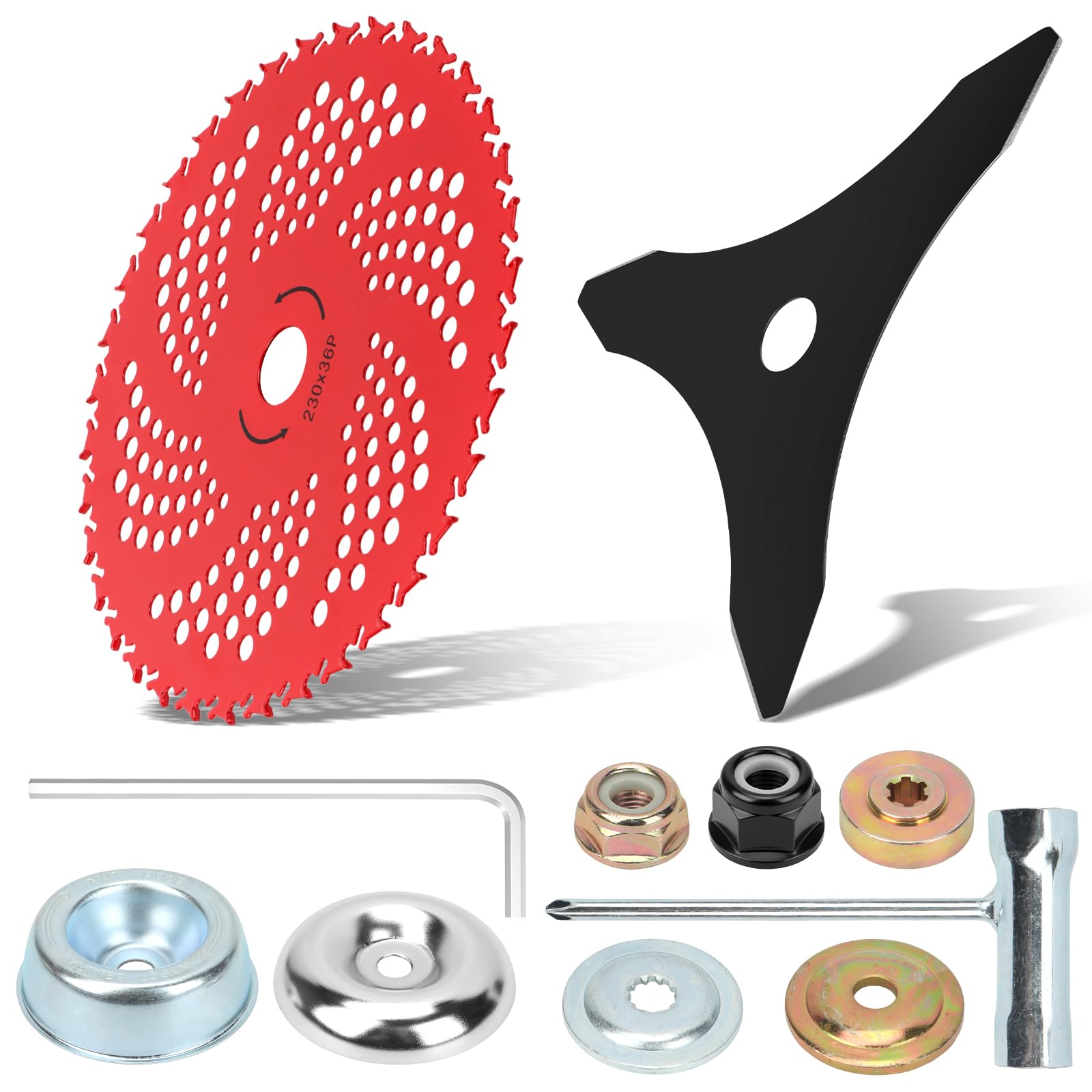
A 36-tooth carbide-tipped brush cutter blade built for cutting scrub, thin saplings and dense brush cleanly and fast.
- Type36-tooth carbide blade
- Diameter230 mm
- Bore25.4 mm (reducer rings often included)
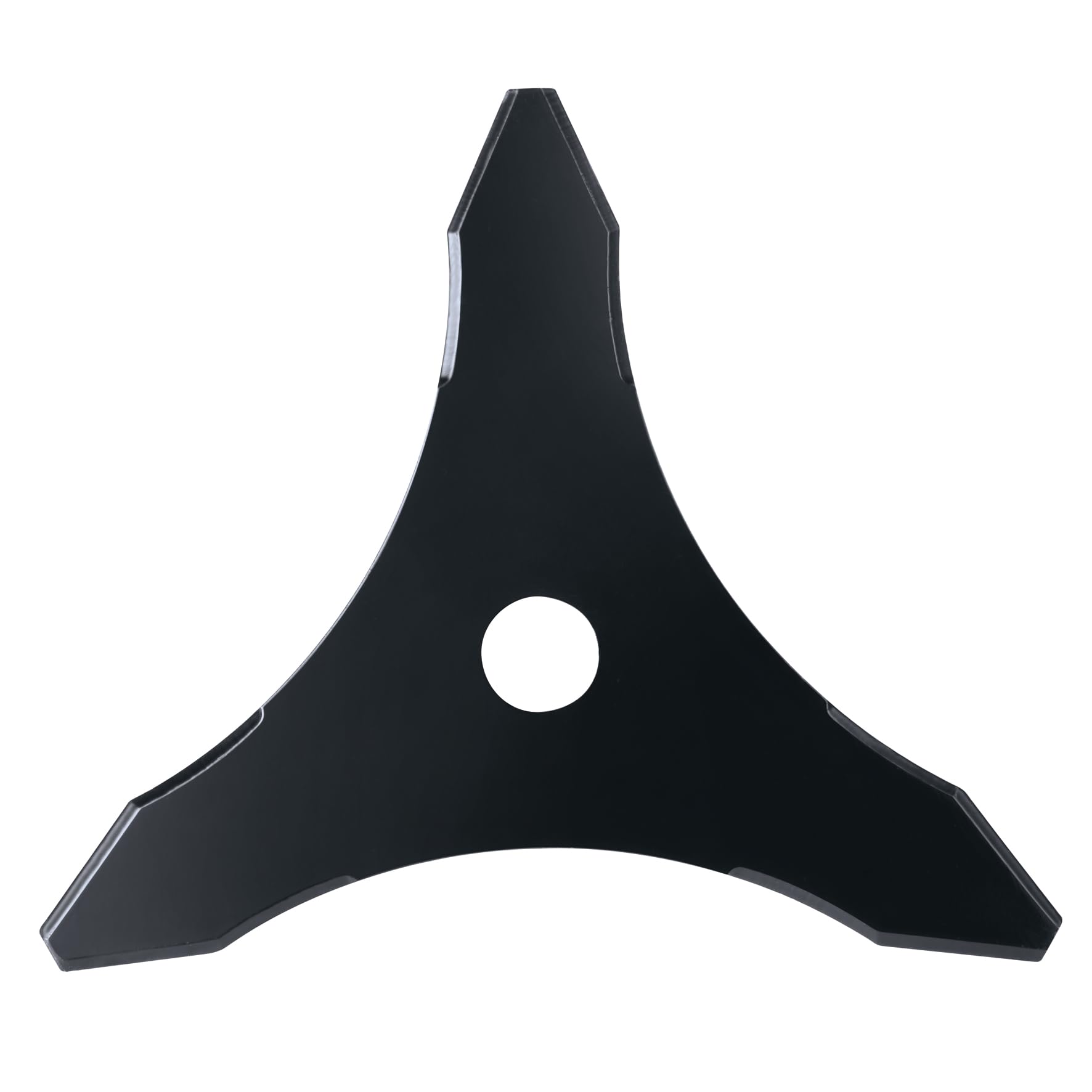
A budget-friendly 3-tooth steel brush blade for Einhell trimmers, built for clearing grass, weeds and light bramble.
- Type3-tooth brush blade
- Diameter255 mm
- Bore25.4 mm
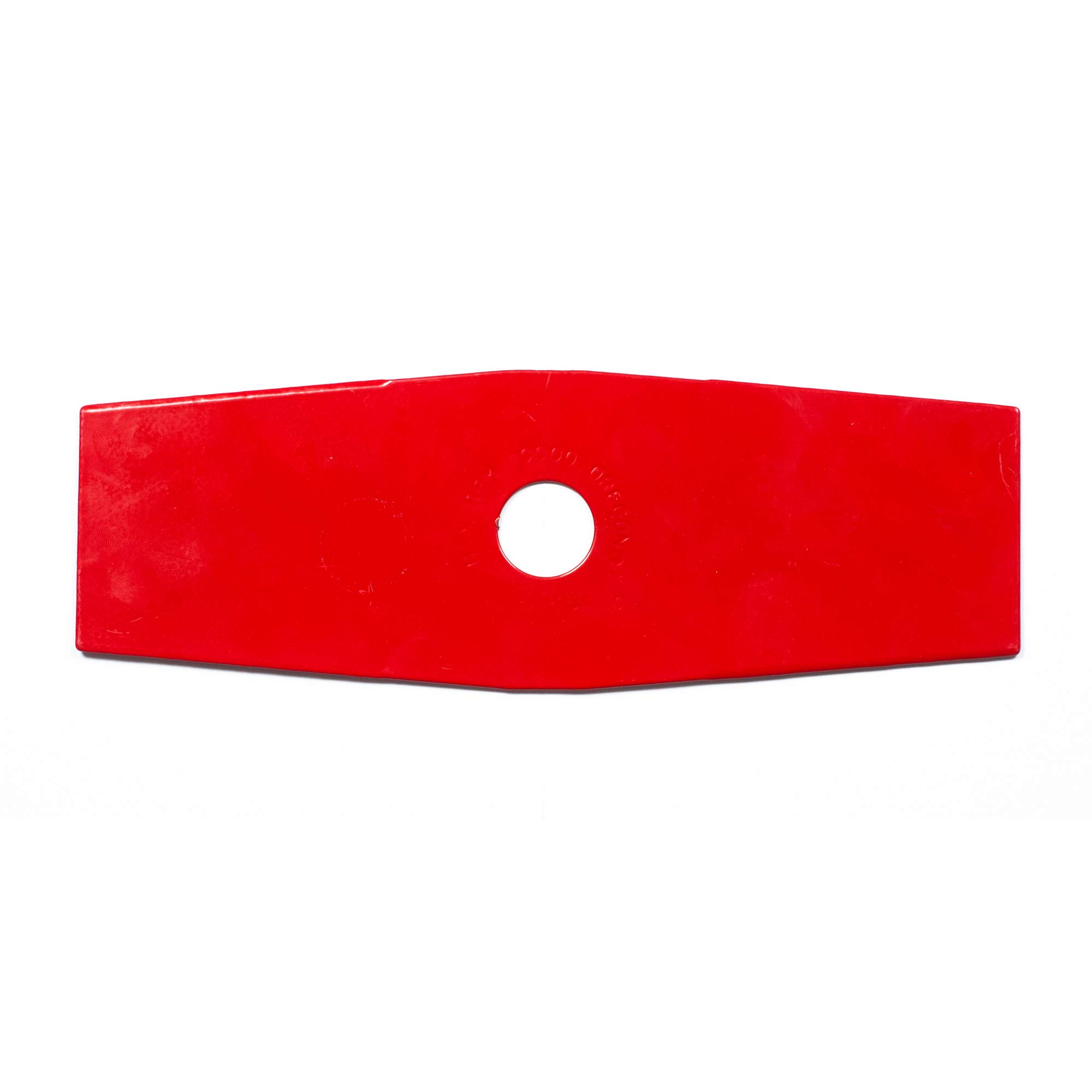
A 255mm hardened-steel 2-tooth grass blade for petrol brush cutters that need a fast, simple slicing action through grass and light weeds.
- Type2-tooth grass blade
- Diameter255 mm
- Bore25.4 mm (reducer rings often included)

A 300mm hardened-steel 3-tooth brush blade for higher-power petrol brush cutters clearing wide areas of grass, weeds and light brush.
- Type3-tooth brush blade
- Diameter300 mm
- Bore25.4 mm (reducer rings often included)
A 3-tooth Oregon steel blade shaped to chop cuttings finer as it cuts, for tidier grass, brambles and light scrub.
- Type3-tooth mulching blade
- MaterialHardened Oregon steel
- Bore25.4 mm (reducer often included)
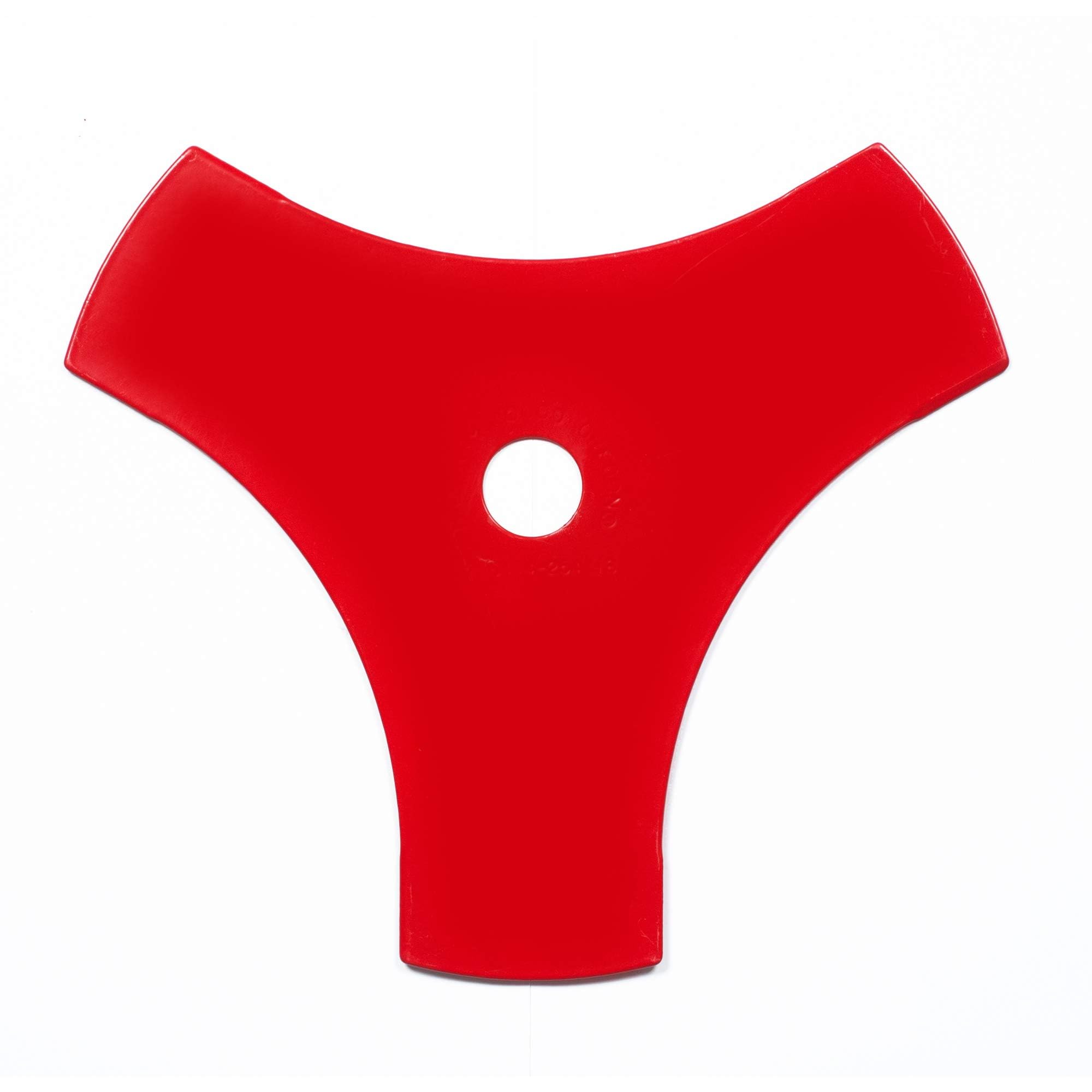
A 255mm hardened-steel 3-tooth brush blade for petrol and high-power cordless brush cutters tackling grass, weeds and light brush.
- Type3-tooth brush blade
- Diameter255 mm
- Bore25.4 mm (reducer rings often included)

A 255mm hardened-steel 4-tooth grass blade for petrol brush cutters that want a faster, smoother cut than a 2- or 3-tooth blade through grass and weeds.
- Type4-tooth grass blade
- Diameter255 mm
- Bore25.4 mm (reducer rings often included)
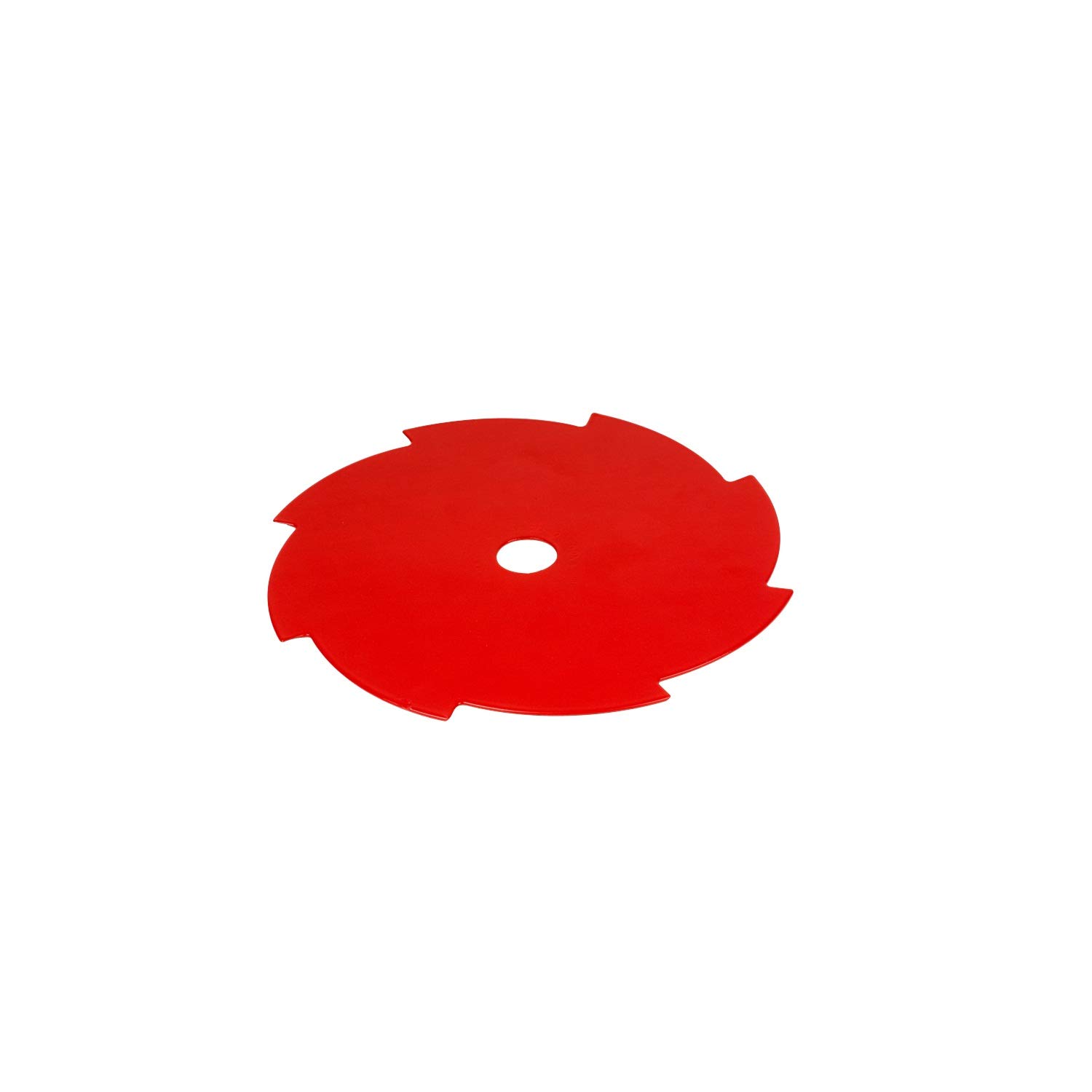
A 255mm hardened-steel 8-tooth brush blade for petrol brush cutters, built to take on woody saplings and dense scrub that a 3-tooth blade struggles with.
- Type8-tooth brush blade
- Diameter255 mm
- Bore25.4 mm (reducer rings often included)

A compact, budget-friendly 30-tooth steel saw blade for light saplings and woody scrub, sized for smaller brush cutters and trimmers.
- Type30-tooth steel saw blade
- Diameter200 mm
- Bore25.4 mm (reducer rings often needed for smaller shafts)
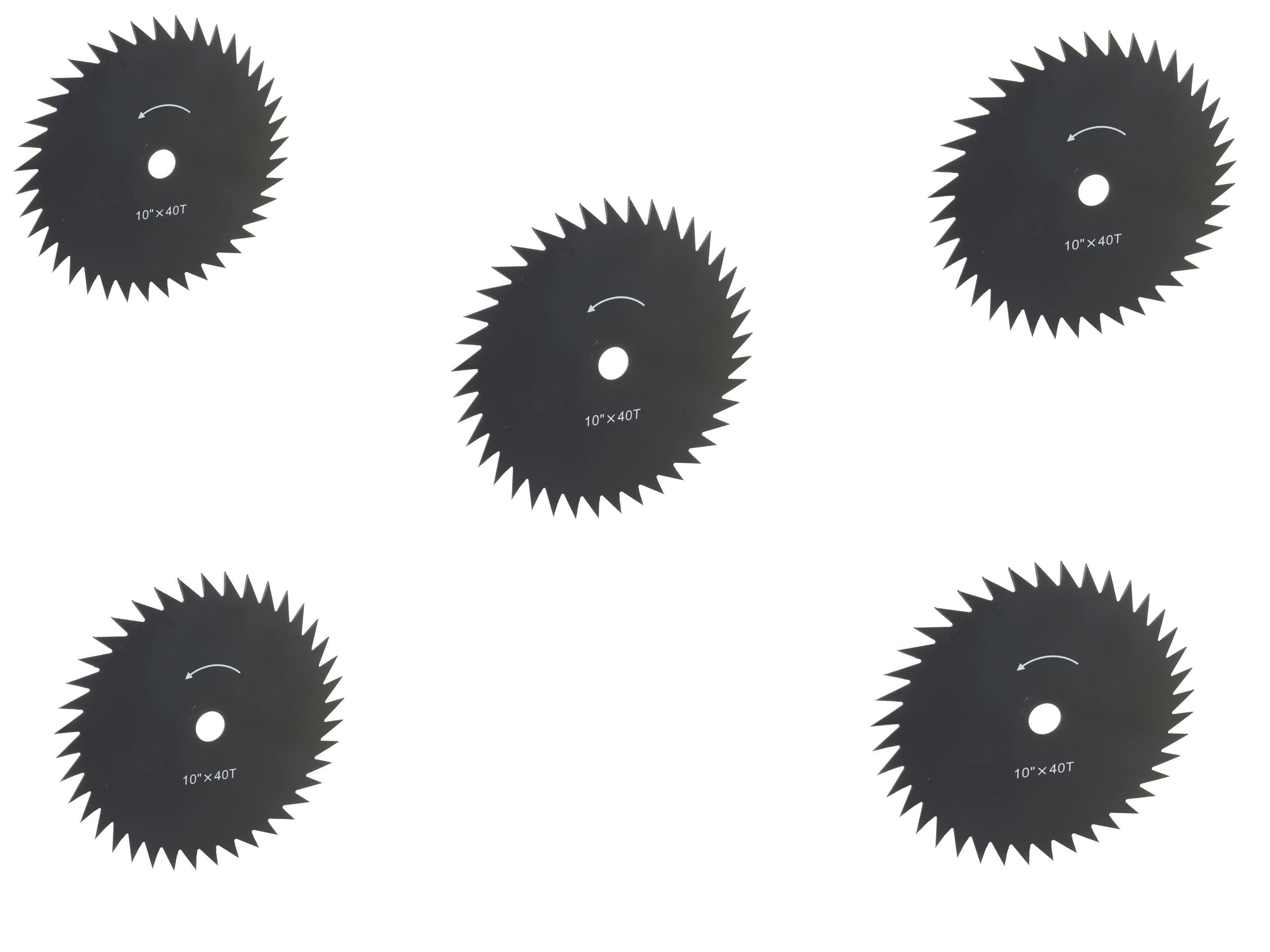
A 40-tooth carbide-tipped clearing blade for cutting saplings and light woody growth, sized to fit most 255mm-bore brush cutters.
- Type40-tooth clearing/saw blade
- Diameter255 mm
- Bore25.4 mm (reducer rings often included)
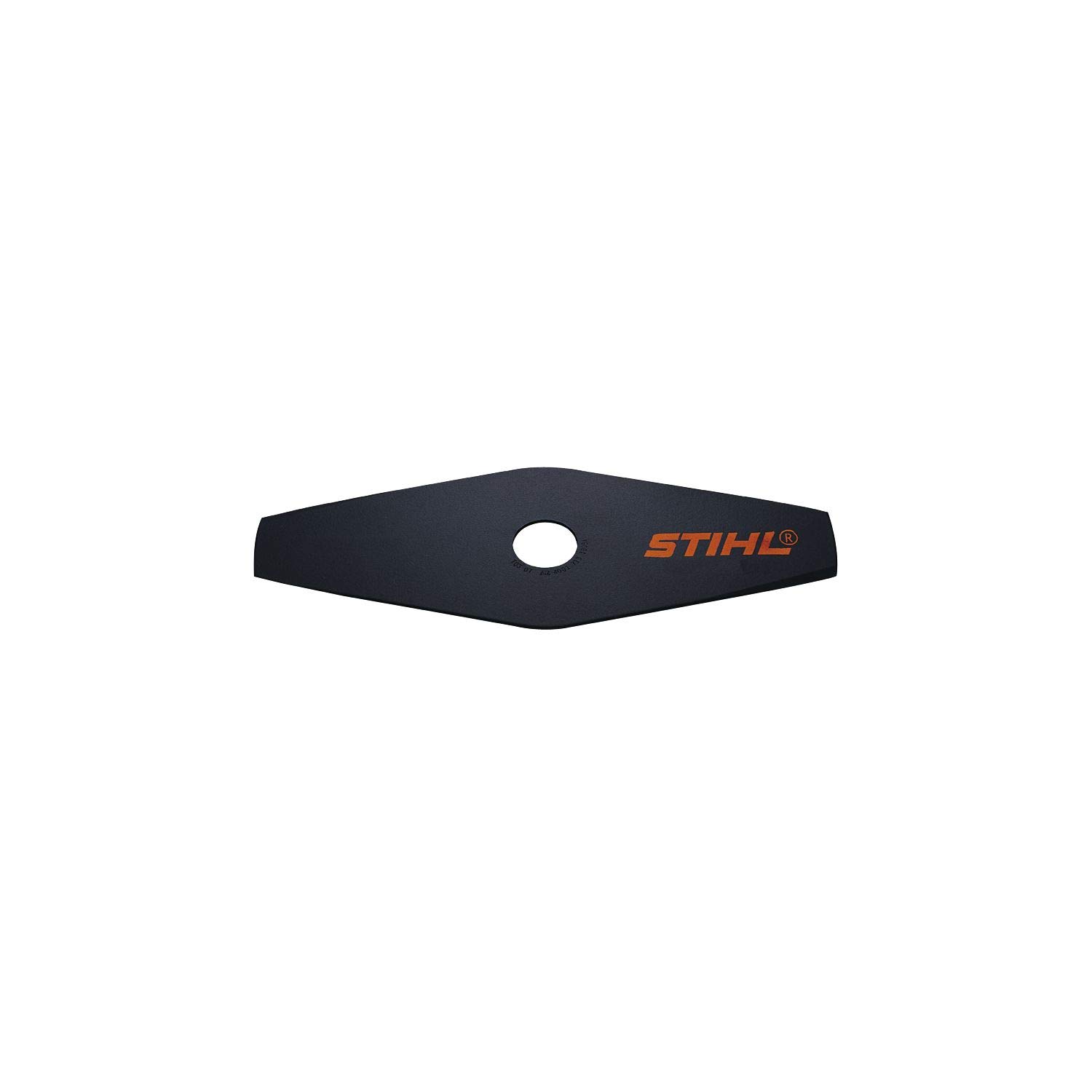
A steel 2-tooth grass blade for clearing dense grass and light weed growth, best suited to owners upgrading from nylon line on a Stihl brushcutter.
- Type2-tooth steel grass blade
- Diameter230 mm
- Bore25.4 mm (1 inch) centre hole
Choosing the right blade
The tooth count tells you what a blade is for. A 3-tooth blade is the versatile choice for brambles, scrub and tough grass. A 4-tooth gives a cleaner cut on grass and fine brush. An 8-tooth (or a circular saw blade) tackles saplings and woody stems. For most people clearing overgrowth, a good 3-tooth steel blade is the one to own.
Fitment and safety
Check your machine's shaft bore (usually 25.4 mm; many blades include a reducer for 20 mm) and its maximum recommended blade size. Always use the correct guard and a harness, wear full protection, and be aware that more aggressive blades increase kickback. See our buying guide for the basics.
Frequently asked questions
Which brush cutter blade is best for brambles?
A 3-tooth steel blade is the versatile all-rounder for brambles, scrub and tough grass. For saplings and woody stems up to ~30 mm, an 8-tooth blade works better.
Will any blade fit my brush cutter?
Most brush cutters use a 25.4 mm bore, and many blades include a reducing ring for 20 mm shafts. Always check your machine's shaft size and its maximum recommended blade before fitting.
How do I keep a blade sharp?
Keep it 5–10 cm off the ground to avoid stones, and sharpen or replace the teeth when cutting slows. Steel blades are consumables — a spare is always handy.
3-tooth vs 4-tooth vs 8-tooth?
3-tooth is the all-round bramble and scrub blade; 4-tooth gives a cleaner cut on grass and fine brush; 8-tooth (or a saw blade) is for saplings and woody stems.
The tool we recommend
Found your model? Buy it at the right price.
UniverTrack tracks the real price of your brush cutter across retailers, spots fake discounts and tells you when it's genuinely the right moment to buy — with an AI assistant to guide you.
- Real price history
- Buy-now alerts
- AI buying assistant
No commitment · Cancel in 1 click · 5 languages
Which one for which need
Cutting woody growth
The more teeth a blade has, the cleaner the cut on a thick stem and the slower the feed. That is what separates a bramble blade from a sapling blade.
Clearing brambles
Few teeth clear fibrous material better and attack scrub decisively, at the cost of a less clean cut.
Fitting your own machine
The bore has to match the machine's shaft exactly. A badly centred blade runs out of true, which is dangerous at that speed.
Who each type suits
- Mixed ground
- A three-tooth blade goes everywhere: brambles, scrub and tough grass. It is the one you leave fitted the rest of the year.
- Woody regrowth
- Beyond a few centimetres in diameter, a bramble blade knocks instead of cutting. A many-toothed blade or a saw blade becomes necessary.
- Stony ground
- A steel blade hits a stone and loses its teeth or cracks. On stony soil, line remains more economical despite its lower output.
The trade-offs to weigh
- Cutting power against safety
- A steel blade cuts what no line cuts and throws the machine back violently if it catches. The harness and the bike handlebar are not comfort accessories here.
- Steel against carbide
- Steel can be sharpened and dulls fast in abrasive conditions; carbide lasts far longer and chips on an impact. The ground decides.
- Large diameter against available torque
- A wider blade sweeps more and demands more torque. On a low-powered machine it slows down and knocks.
Questions buyers ask
What is blade thrust?
When the blade catches a rigid stem in its front right sector, it throws the machine violently to the side. It is the main risk of blade work, and it is reduced by always attacking from the left sector.
Do I need a reducing bush?
Many blades come with a bush to adapt to a thinner shaft. A correctly sized bush is acceptable; play, never.
Which way should I attack the vegetation?
From right to left, sweeping. That is the direction in which the blade throws the cut material away from the operator.
Can a circular saw blade be used?
Some machines allow it with the appropriate guard and harness. Many manufacturers explicitly forbid it on their lightweight models.
Can a warped blade be repaired?
No: a deformed blade runs out of true and vibrates. It is replaced, not straightened.
Should a worn blade be turned over?
Symmetrical blades are turned over to use the second cutting edge, which doubles their life. Asymmetrical blades are not turned over.
Which guard with a blade?
The guard intended for the blade, not the line guard, which is shorter and leaves the cutting edge exposed. Changing tool often means changing guard.
How should a blade be stored?
Dry, lightly oiled and protected, never loose in a shed. A rusted blade cuts poorly and cracks more easily.
What to remember
Thrust is the real risk of the blade: attack from right to left, never through the front right sector. The bore has to match exactly, a warped blade is replaced rather than straightened — and a blade calls for its own guard, longer than the line one.